Welcome to PawCorner

Your one-stop corner for all the pet related news, updates and innovations

Welcome to PawCorner

All from the PawCorner

50 Common Dog Symptoms Explained by Vets (2026 Guide)

🐾Vet Reviewed·May 30, 2026
50 Common Dog Symptoms Explained by Vets (2026 Guide)

Vet-reviewed reference for the 50 most common dog symptoms. What each symptom usually means, the red flags that need an emergency vet, and what to track at home. Reviewed by Dr. Ashim Sarkar, DVM.

Senior Dog Care Guide: Health Changes After 10 Years

🐾Vet Reviewed·May 30, 2026
Senior Dog Care Guide: Health Changes After 10 Years

What changes when your dog hits 10+ years, what to track, what to expect, and how to extend healthspan. Vet-reviewed care guide for senior dogs of all sizes.

Puppy First Month Checklist: Vet Visits, Vaccines, Training

🐾Pet Parenting Playbook·May 30, 2026
Puppy First Month Checklist: Vet Visits, Vaccines, Training

Everything you need in your puppy's first 30 days at home: vet visits, first vaccines, deworming, food, sleep, socialization, training basics. Vet-reviewed.

How to Store Pet Medical Records Digitally (and Share with Any Vet)

🐾Pet Parenting Playbook·May 30, 2026
How to Store Pet Medical Records Digitally (and Share with Any Vet)

Step-by-step guide to digitizing your pet's medical records, what to capture, how to organize, and how to share with any vet in any country. Built-in tools in Omelo make this automatic.

Signs of Dehydration in Dogs and Cats (How to Check at Home)

🐾Vet Reviewed·May 30, 2026
Signs of Dehydration in Dogs and Cats (How to Check at Home)

Three quick at-home tests to check dehydration in dogs and cats, the warning signs that need a vet immediately, and how to safely rehydrate at home. Vet-reviewed.

What to Feed Your Dog in 2026: Vet-Reviewed Complete Guide

🐾Vet Reviewed·May 30, 2026
What to Feed Your Dog in 2026: Vet-Reviewed Complete Guide

Vet-reviewed guide to what your dog should eat in 2026: macros, AAFCO basics, kibble vs raw vs fresh, treats, and the foods to avoid. Plus the right portion size for every life stage.

Dog Not Eating? When to Worry and What to Do (Vet Guide)

🐾Vet Reviewed·Jul 4, 2026
Dog Not Eating? When to Worry and What to Do (Vet Guide)

A dog skipping one meal is usually fine. But not eating for more than 24 hours, or refusing food alongside vomiting, lethargy, or diarrhea, needs a vet. Puppies and small breeds are more urgent, they can drop into dangerously low blood sugar within 12 hours. Here is the vet-reviewed rule for when to wait and when to worry.

Dog Diarrhea: When to Worry and What to Do (Vet Guide)

🐾Vet Reviewed·Jul 10, 2026
Dog Diarrhea: When to Worry and What to Do (Vet Guide)

One or two loose stools in a bright, playful dog can often be watched at home for 24 hours. Diarrhea becomes urgent when there is blood, black tarry stool, repeated vomiting, lethargy, or a bloated belly, and in any unvaccinated puppy. Puppies dehydrate fast. Here is the vet-reviewed rule for when to wait and when to go now.

Cat Behavior Change Checklist: When to Worry, What to Track

🐾Vet Reviewed·May 30, 2026
Cat Behavior Change Checklist: When to Worry, What to Track

Behavior changes are the first sign of illness in cats. Vet-reviewed checklist of the changes that matter, the red flags, and exactly what to track for your next vet visit.

Dog Seizures: What to Do in the Moment (Vet Guide)

🐾Vet Reviewed·Jul 10, 2026
Dog Seizures: What to Do in the Moment (Vet Guide)

If your dog is having a seizure, stay calm, do not touch the mouth, move furniture away, dim the lights, and time it. Most seizures stop within two minutes. Go to an emergency vet now if one lasts over 5 minutes, if there are two or more in 24 hours, or if this is your dog's first ever seizure.

Puppy Not Eating: When to Worry and What to Do (Vet Guide)

🐾Vet Reviewed·Jul 10, 2026
Puppy Not Eating: When to Worry and What to Do (Vet Guide)

A puppy is not a small adult dog, so the 24-hour wait for grown dogs does not apply. A puppy under six months who will not eat should be seen within about 12 hours, and sooner with any other sign. Low blood sugar and parvovirus are the urgent dangers, and a puppy who is not eating and not drinking needs a vet now.

The Clinical Case for Omelo: Five Things No Other Pet Health Product Does

🐾Inside Omelo·May 11, 2026
The Clinical Case for Omelo: Five Things No Other Pet Health Product Does

Pets hide their pain. It is an evolutionary survival instinct. By the time you notice something is wrong, disease is often advanced. Omelo is the first consumer product that detects the mathematical deviation from your pet's normal before the concealment becomes complete. Here is the clinical science behind how it works.

Cat Vomiting: When to Worry and What to Do (Vet Guide)

🐾Vet Reviewed·Jul 10, 2026
Cat Vomiting: When to Worry and What to Do (Vet Guide)

A cat that vomits more than once or twice a month is not normal, even if it seems fine between episodes. Occasional hairballs happen, but frequent vomiting often signals disease that needs investigating. Go to a vet now for blood in vomit, repeated retching, a bloated belly, straining to urinate, lethargy, or suspected lily or string ingestion.

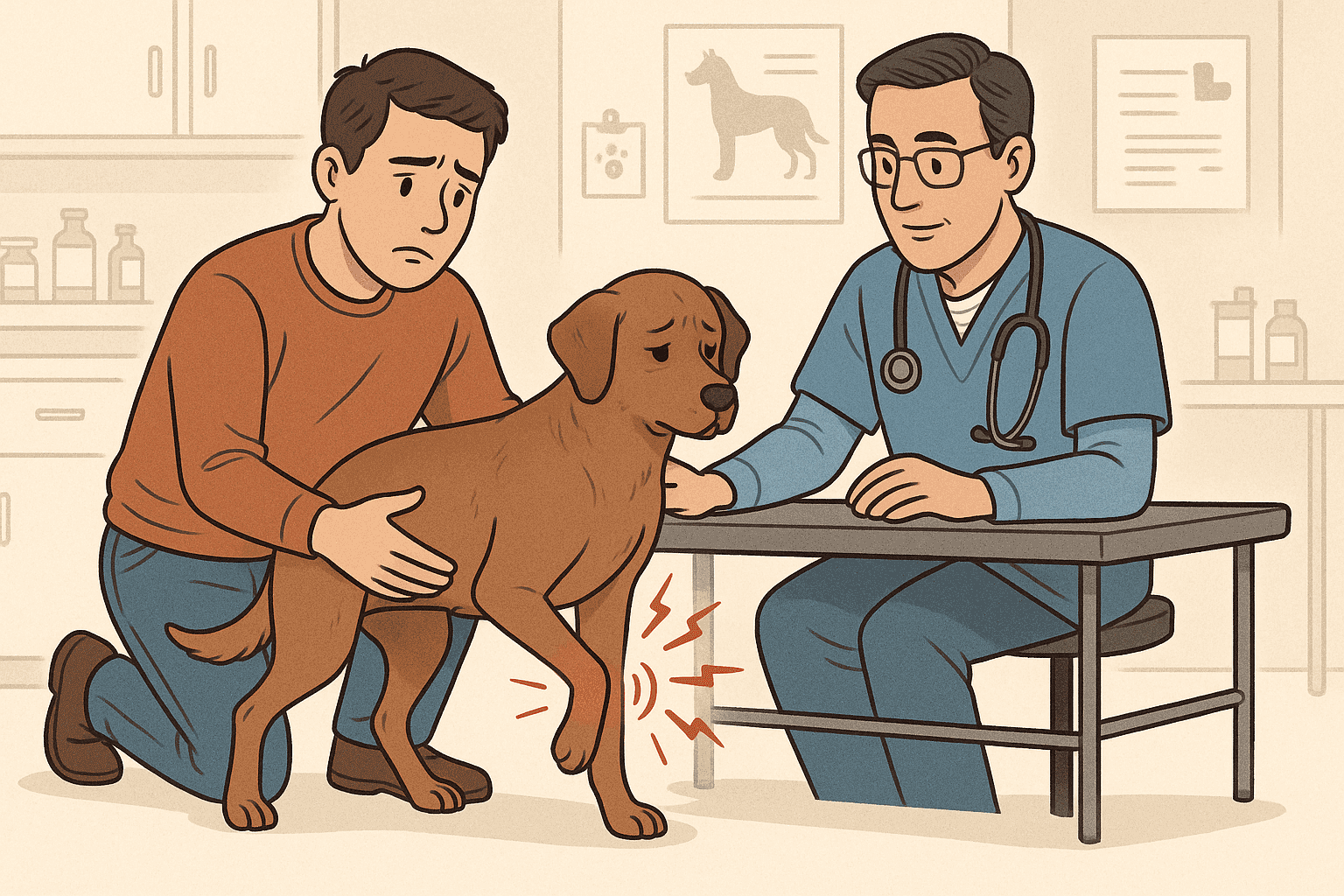
Dog Limping: When to Worry and What to Do (Vet Guide)

🐾Vet Reviewed·Jul 10, 2026
Dog Limping: When to Worry and What to Do (Vet Guide)

A mild limp in an otherwise bright, happy adult dog can often be rested at home for 24 to 48 hours. Limping is urgent when the leg dangles or looks deformed, the dog will not bear any weight, there is a wound with visible bone, or it follows a fall or road accident. Never give human painkillers. Here is the vet-reviewed rule for when to wait and when to go now.

How Much Should I Feed My Dog or Cat? Use Our Free Feeding Calculator

🐾Vet Reviewed·May 8, 2026
How Much Should I Feed My Dog or Cat? Use Our Free Feeding Calculator

Overfeeding is the #1 preventable health problem in pets. Our free feeding calculator gives you exact daily calories, portion sizes, and meal frequency based on your pet's breed, weight, age, and activity level, using the same formula vets use.

What Should I Feed My Dog? A Vet's Guide to Dog Food in India

🐾Vet Reviewed·May 1, 2026
What Should I Feed My Dog? A Vet's Guide to Dog Food in India

Diet is the #1 question pet parents ask. This guide covers homemade vs commercial food, portion sizes by breed and age, foods to avoid, and how to read labels, written for Indian pet parents by a practicing vet.

My Dog Won't Eat But Acts Normal: When to Worry and When to Wait

🐾Vet Reviewed·Apr 30, 2026
My Dog Won't Eat But Acts Normal: When to Worry and When to Wait

Your dog skipped breakfast but is wagging their tail, playing fetch, and acting completely normal. Is this a problem or just a picky day? The clinical timeline for when normal behavior stops being reassuring.

What to Feed Your Cat: Complete Nutrition Guide for Indian Cat Parents

🐾Vet Reviewed·May 1, 2026
What to Feed Your Cat: Complete Nutrition Guide for Indian Cat Parents

Cats are obligate carnivores with unique nutritional needs. This vet-reviewed guide covers wet vs dry food, homemade options safe for Indian households, portion control, and the foods that can seriously harm your cat.

Dog Shaking and Panting at Night: Causes, Red Flags, and What to Do

🐾Vet Reviewed·Apr 30, 2026
Dog Shaking and Panting at Night: Causes, Red Flags, and What to Do

Your dog is trembling and breathing heavily at 2am. Pain, anxiety, poisoning, and heart disease can all look the same in the dark. A clinical decision guide for the middle of the night.

Dog Pregnancy Signs, Timeline, and When to Worry: A Complete Guide

🐾Vet Reviewed·Apr 30, 2026
Dog Pregnancy Signs, Timeline, and When to Worry: A Complete Guide

Dog pregnancy lasts about 63 days and comes with subtle signs that are easy to miss. This vet-reviewed guide covers the full timeline from mating to delivery, warning signs, nutrition needs, and exactly when you need a vet.

How to Tell if Your Cat Is Dehydrated: 5 Home Tests Every Owner Should Know

🐾Vet Reviewed·Apr 30, 2026
How to Tell if Your Cat Is Dehydrated: 5 Home Tests Every Owner Should Know

Cats hide dehydration until it becomes dangerous. Five clinical tests you can do right now at home to assess your cat's hydration status before it becomes an emergency.

Cat Pregnancy: Signs, Stages, and What to Expect Week by Week

🐾Vet Reviewed·Apr 30, 2026
Cat Pregnancy: Signs, Stages, and What to Expect Week by Week

Cat pregnancy lasts 63-67 days. From the first subtle signs to delivery day, this guide covers everything Indian cat parents need to know, including nutrition, nesting, warning signs, and kitten care basics.

How Much Does an Emergency Vet Visit Cost? Real Numbers and How to Avoid the Bill

🐾Vet Reviewed·Apr 30, 2026
How Much Does an Emergency Vet Visit Cost? Real Numbers and How to Avoid the Bill

The average emergency vet bill is $800. Surgery can reach $5,000 to $10,000. But 60% of emergency visits could have been prevented or caught earlier. Here is what drives the cost and how to reduce it.

Puppy Crying at Night: The Complete First-Week Survival Guide

🐾Pet Parenting Playbook·Apr 30, 2026
Puppy Crying at Night: The Complete First-Week Survival Guide

Every new puppy cries at night. It is not a training problem, it is a fear response. The evidence-based approach to helping your puppy settle that does not involve letting them cry it out.

Why Is My Dog Scratching So Much? Causes, Relief, and When to See a Vet

🐾Early Detection 101·Apr 29, 2026
Why Is My Dog Scratching So Much? Causes, Relief, and When to See a Vet

Constant scratching, biting, and licking can mean allergies, fleas, fungal infections, or dry skin. This guide covers the most common causes of dog itching in India, home remedies that actually work, and the red flags that need a vet.

Dog Eye Discharge: What's Normal, What's Not, and When to Worry

🐾Early Detection 101·Apr 28, 2026
Dog Eye Discharge: What's Normal, What's Not, and When to Worry

A little eye goop is normal. But when the discharge turns yellow, green, or smelly, it signals infection, injury, or a deeper problem. Here's how to tell the difference and what to do at home before the vet visit.

Dog Poisoning Symptoms: What to Do When Every Minute Counts

🐾Vet Reviewed·Apr 28, 2026
Dog Poisoning Symptoms: What to Do When Every Minute Counts

Time is the critical variable in poisoning cases. The difference between a simple treatment and organ failure can be hours. A clinical protocol for identifying poisoning and acting fast.

How to Treat a Pet Wound at Home: First Aid Guide for Dogs and Cats

🐾Vet Reviewed·Apr 27, 2026
How to Treat a Pet Wound at Home: First Aid Guide for Dogs and Cats

Cuts, scrapes, bites, and puncture wounds happen to every pet. This guide covers safe wound cleaning, when you can treat at home, when you need a vet, and the first aid supplies every Indian pet parent should have.

Blood in Dog Urine, Straining to Pee, or Not Urinating: What It Means

🐾Vet Reviewed·Apr 26, 2026
Blood in Dog Urine, Straining to Pee, or Not Urinating: What It Means

Urinary problems in dogs and cats can signal infections, bladder stones, or blockages. A blocked cat is a life-threatening emergency. This guide covers symptoms, causes, and exactly when to rush to the vet.

Looking for an Alternative to PetMD? Why Clinical Reasoning Beats Generic Articles

🐾Vet Reviewed·Apr 28, 2026
Looking for an Alternative to PetMD? Why Clinical Reasoning Beats Generic Articles

PetMD gives you articles. Omelo gives you clinical reasoning built on your specific pet. The difference between reading about symptoms and getting a triage assessment for your actual animal.

How to Remove Ticks from Your Dog Safely: Step-by-Step Guide for India

🐾Early Detection 101·Apr 25, 2026
How to Remove Ticks from Your Dog Safely: Step-by-Step Guide for India

Ticks carry deadly diseases like ehrlichiosis and babesiosis that are common in India. This guide covers safe removal, prevention, treatment options available in India, and the signs that a tick has already made your dog sick.

Using ChatGPT for Pet Symptoms? Here Is What It Cannot Do

🐾Vet Reviewed·Apr 28, 2026
Using ChatGPT for Pet Symptoms? Here Is What It Cannot Do

ChatGPT can tell you about dogs. It cannot tell you about your dog. The clinical difference between a general-purpose language model and a companion with persistent health memory.

Lump on My Dog or Cat: When to Worry and When It's Harmless

🐾Early Detection 101·Apr 24, 2026
Lump on My Dog or Cat: When to Worry and When It's Harmless

Finding a lump on your pet is scary. But most lumps are benign. This guide helps you tell the difference between harmless fatty lumps, cysts, abscesses, and lumps that need urgent veterinary attention.

Dog Vomiting at Night: Is It an Emergency? A Vet's Decision Guide

🐾Vet Reviewed·Apr 28, 2026
Dog Vomiting at Night: Is It an Emergency? A Vet's Decision Guide

Your dog just vomited at 11pm. Is this an emergency or can it wait until morning? A clinical decision tree to help you assess severity, identify warning signs, and know exactly when to act.

Dog and Cat Dental Care at Home: Bad Breath, Tartar, and When Teeth Need a Vet

🐾Pet Parenting Playbook·Apr 23, 2026
Dog and Cat Dental Care at Home: Bad Breath, Tartar, and When Teeth Need a Vet

80% of dogs and cats show signs of dental disease by age 3. Bad breath is not normal, it signals bacteria, plaque, and potential pain your pet is hiding. Here is what you can actually do at home and when professional cleaning is needed.

Tick Fever in Dogs: Symptoms, Treatment, and Prevention

🐾Vet Reviewed·Jul 31, 2026
Tick Fever in Dogs: Symptoms, Treatment, and Prevention

Tick fever in dogs is a group of tick-borne blood infections, mainly babesiosis and ehrlichiosis, spread by the brown dog tick. Signs include high fever, lethargy, loss of appetite, and pale gums. It is common during India's tick season. Tick fever needs a vet and bloodwork to confirm, so see a vet promptly if you notice these signs.

Yellow Dog Poop: What It Means and When to Worry

🐾Vet Reviewed·Jul 29, 2026
Yellow Dog Poop: What It Means and When to Worry

Yellow dog poop usually means stool is moving through the gut too fast to pick up its normal brown color, often from a diet change, food dye, or mild upset. It can also signal giardia, pancreatitis, or exocrine pancreatic insufficiency. See a vet if yellow stool lasts more than 48 hours or comes with vomiting, weight loss, or lethargy.

Why Is My Dog Not Eating? When Loss of Appetite Is Serious

🐾Vet Reviewed·Apr 28, 2026
Why Is My Dog Not Eating? When Loss of Appetite Is Serious

A dog that skips one meal is usually fine. A dog that refuses food for 48 hours is telling you something. A clinical reasoning guide to assess appetite loss severity and know when to act.

How to Tell If Your Dog or Cat Has a Fever, And What to Do

🐾Vet Reviewed·Apr 22, 2026
How to Tell If Your Dog or Cat Has a Fever, And What to Do

A normal dog temperature is 38.3–39.2°C. A normal cat temperature is 38.1–39.2°C. Anything above that is a fever. Here is how to check, what causes pet fevers, and when a fever is an emergency.

Heartworm in Dogs: Early Symptoms, Diagnosis and Prevention

🐾Vet Reviewed·Jul 31, 2026
Heartworm in Dogs: Early Symptoms, Diagnosis and Prevention

Heartworm in dogs is a serious disease caused by foot-long worms (Dirofilaria immitis) that live in the heart and lungs and are spread by mosquito bites. Early on there are often no symptoms. Later signs include a mild persistent cough, tiring easily on walks, and weight loss. Heartworm is diagnosed by a blood test and is far easier to prevent than to treat.

Heatstroke in Dogs: Emergency Signs, First Aid and When to Rush to a Vet

🐾Vet Reviewed·Jul 31, 2026
Heatstroke in Dogs: Emergency Signs, First Aid and When to Rush to a Vet

Heatstroke in dogs is a life-threatening rise in body temperature above about 40°C (104°F) when the body cannot cool itself fast enough. Signs include frantic panting, drooling, bright red gums, weakness, vomiting, and collapse. It is a true emergency. Start cooling your dog with cool (not ice-cold) water and get to the nearest vet at once.

Dog Restless and Can't Get Comfortable: Causes and When to Worry

🐾Vet Reviewed·Jul 29, 2026
Dog Restless and Can't Get Comfortable: Causes and When to Worry

A restless dog that keeps shifting, pacing, or cannot settle is usually reacting to discomfort, pain, anxiety, or aging changes in the brain. Most causes are manageable, but sudden restlessness with a swollen belly, retching, or drooling can mean bloat, a life-threatening emergency. Watch for red flags and call your vet the same day if restlessness is new and severe.

Bloated Dog Stomach: Emergency Signs of GDV (Bloat)

🐾Vet Reviewed·Jul 28, 2026
Bloated Dog Stomach: Emergency Signs of GDV (Bloat)

A swollen, hard, or bloated dog stomach can signal gastric dilatation-volvulus (GDV), a true emergency where the stomach fills with gas and twists on itself. Warning signs include a distended belly, unproductive retching, drooling, restlessness, and pacing. GDV can kill within hours. Do not wait or monitor at home. Go to an emergency vet right now.

Leptospirosis in Dogs: Symptoms, Vaccine, and Monsoon Risk in India

🐾Vet Reviewed·Aug 4, 2026
Leptospirosis in Dogs: Symptoms, Vaccine, and Monsoon Risk in India

Leptospirosis in dogs is a bacterial infection spread through the urine of infected animals and contaminated water, mud, and soil. Signs include fever, vomiting, not eating, increased thirst, and yellow gums. Risk climbs during India's monsoon and flooding. It can damage the kidneys and liver, so see a vet promptly, and it is preventable with an annual vaccine.

Dog Diarrhea: A Clinical Triage Guide for Pet Parents

🐾Vet Reviewed·Apr 28, 2026
Dog Diarrhea: A Clinical Triage Guide for Pet Parents

The most searched pet symptom globally. Most cases resolve on their own. Some are emergencies. A clinical decision tree to assess severity, identify red flags, and know when home care is enough.

Deworming Your Dog and Cat in India: Schedule, Signs, and What Actually Works

🐾Vet Reviewed·Apr 21, 2026
Deworming Your Dog and Cat in India: Schedule, Signs, and What Actually Works

Intestinal worms are extremely common in Indian pets due to the climate and outdoor exposure. This guide covers the deworming schedule by age, signs of worm infestation, types of worms, and which medicines work best.

Dog Vomiting White Foam or Yellow Bile: What It Means

🐾Vet Reviewed·Jul 31, 2026
Dog Vomiting White Foam or Yellow Bile: What It Means

White foam in a dog's vomit usually means an empty, irritated stomach or acid reflux, while yellow vomit is bile from an empty gut, often first thing in the morning. Most single episodes settle. But foam with a swollen, hard belly and unproductive retching, or any blood, is an emergency. Go to a vet fast.

Kidney Disease in Dogs: Early Signs and When to See a Vet

🐾Vet Reviewed·Jul 31, 2026
Kidney Disease in Dogs: Early Signs and When to See a Vet

The early signs of kidney disease in dogs are easy to miss: drinking more water, urinating more often, a smaller appetite, and gradual weight loss. Later signs include vomiting, bad breath, and low energy. Watch for these changes and see a vet, who confirms kidney disease with a blood test and a urine test.

Ringworm in Dogs and Cats: Signs, Zoonotic Risk and Treatment

🐾Vet Reviewed·Jul 31, 2026
Ringworm in Dogs and Cats: Signs, Zoonotic Risk and Treatment

Ringworm in dogs and cats is a contagious fungal skin infection, not a worm. It causes circular patches of hair loss, scaly or crusty skin, and broken hairs, often on the face, ears, paws, or tail. It spreads to other pets and to people, so see a vet to confirm it and start treatment.

Cushing's Disease in Dogs and Hind-Leg Weakness: What to Know

🐾Vet Reviewed·Jul 29, 2026
Cushing's Disease in Dogs and Hind-Leg Weakness: What to Know

Cushing's disease, a hormone disorder that floods the body with cortisol, can slowly weaken a dog's muscles, including the back legs, so an older dog may tire quickly, struggle to rise, or develop a sagging, pot-bellied stance. Because arthritis and spinal disease cause hind-leg weakness too, a vet exam and blood tests are needed to find the real cause.

Dog Walking Sideways or Wobbly: Vestibular Disease and Other Causes

🐾Vet Reviewed·Jul 29, 2026
Dog Walking Sideways or Wobbly: Vestibular Disease and Other Causes

A dog that suddenly walks sideways, wobbles, tilts its head, or circles has a balance problem, most often vestibular disease. Other causes include an inner ear infection, poisoning, or a stroke. Sudden ataxia is not something to watch at home. Because you cannot tell benign old-dog vestibular from a serious cause, see a vet the same day.

Pancreatitis in Dogs: Early Signs and When to See a Vet

🐾Vet Reviewed·Jul 29, 2026
Pancreatitis in Dogs: Early Signs and When to See a Vet

Pancreatitis in dogs is a painful inflammation of the pancreas. Early signs include repeated vomiting, a hunched or tucked-up belly, refusing food, lethargy, and diarrhea. Severe cases can turn dangerous fast. Watch for these signs and see a vet, who confirms it with bloodwork. Do not wait if your dog is retching, painful, or collapsing.

Cat Not Eating for 24 Hours: The 24/48/72-Hour Rule

🐾Vet Reviewed·Jul 15, 2026
Cat Not Eating for 24 Hours: The 24/48/72-Hour Rule

A cat that will not eat is more urgent than a dog that skips a meal. Because of a fast-moving liver condition called hepatic lipidosis, a healthy adult cat that eats nothing for 48 hours needs a vet, and an overweight cat, a kitten, or a sick cat needs one at 24 hours. Not eating and not drinking is a same-day emergency.

Cat Not Using the Litter Box: Medical and Behavioral Causes

🐾Vet Reviewed·Aug 4, 2026
Cat Not Using the Litter Box: Medical and Behavioral Causes

A cat not using the litter box is usually caused by one of two things: a medical problem such as a urinary tract issue, kidney disease, arthritis, or pain, or a behavioral one such as a dirty box, the wrong litter, or stress. A male cat straining with little or no urine is an emergency. See a vet the same day when soiling is new.

Hot Spots on Dogs: Causes, Treatment, and When to See a Vet

🐾Vet Reviewed·Aug 4, 2026
Hot Spots on Dogs: Causes, Treatment, and When to See a Vet

A hot spot on a dog is a red, moist, painful patch of inflamed skin, also called acute moist dermatitis, that appears and spreads within hours because the dog licks and chews the area. It is usually triggered by something itchy underneath, such as fleas, ticks, allergies, or trapped moisture. Hot spots need a vet if they are large, spreading, or infected.

Diabetes in Cats: Early Signs and When to See a Vet

🐾Vet Reviewed·Aug 1, 2026
Diabetes in Cats: Early Signs and When to See a Vet

Diabetes in cats is a condition where the body cannot control blood sugar properly. The early signs are drinking more water, urinating more, weight loss despite a good appetite, and a duller coat. A later cat-specific sign is a flat-footed, dropped-hock walk. Watch for these changes and see a vet, who confirms diabetes with blood and urine tests. Caught early, many cats do very well.

Why Is My Dog Losing Hair? Shedding vs Hair Loss and What to Do

🐾Early Detection 101·Apr 20, 2026
Why Is My Dog Losing Hair? Shedding vs Hair Loss and What to Do

Some shedding is normal, but bald patches, thinning fur, and excessive hair loss can signal allergies, hormonal problems, parasites, or nutritional deficiency. This guide helps you tell the difference.

Blood in Dog Stool: Causes, Colours and When It Is an Emergency

🐾Vet Reviewed·Jul 31, 2026
Blood in Dog Stool: Causes, Colours and When It Is an Emergency

Blood in a dog's stool comes in two forms. Bright red blood (hematochezia) points to the lower gut, from colitis, parasites, or diet. Black, tarry stool (melena) points to digested blood from higher up and is more serious. A streak in a bright, eating dog can often wait for a routine vet visit, but black stool, large amounts of blood, or a weak dog needs a vet the same day.

Cat Diarrhea: Causes, Red Flags, and When to See a Vet

🐾Vet Reviewed·Jul 31, 2026
Cat Diarrhea: Causes, Red Flags, and When to See a Vet

Cat diarrhea means loose or watery stools, and most short bouts come from a diet change, hairball-upset gut, stress, or a mild infection. A single soft stool in a bright, eating cat can settle in a day or two. But diarrhea with blood, vomiting, a flat or dehydrated cat, or a kitten, needs a vet quickly.

Heart Failure in Dogs: Symptoms, Coughing at Rest and When to Act

🐾Vet Reviewed·Jul 31, 2026
Heart Failure in Dogs: Symptoms, Coughing at Rest and When to Act

Congestive heart failure in dogs is when a weakened heart can no longer pump well, so fluid backs up into the lungs or belly. Common symptoms are a soft cough that often worsens at night or when lying down, fast or labored breathing, tiring easily, and a swollen abdomen. It is manageable with veterinary treatment but not curable, so see a vet promptly.

Distemper in Dogs: Early Symptoms, Timeline and What to Do

🐾Vet Reviewed·Jul 31, 2026
Distemper in Dogs: Early Symptoms, Timeline and What to Do

Distemper in dogs is a highly contagious viral disease caused by canine distemper virus. It attacks the airways, gut, and nervous system, with early signs of fever, eye and nose discharge, coughing, vomiting, and diarrhoea, and later seizures or twitching. There is no cure, only supportive care, so it is serious. It is largely preventable by vaccination. See a vet urgently if you suspect it.

Dog Fever: Signs, Causes and When to See a Vet

🐾Vet Reviewed·Jul 31, 2026
Dog Fever: Signs, Causes and When to See a Vet

A dog fever is a body temperature above about 39.5°C (103°F), higher than the normal canine range of 38.3 to 39.2°C. You cannot judge it by a warm, dry nose. Common signs are lethargy, shivering, warm ears and loss of appetite. Any fever with pale gums, vomiting, breathing trouble or collapse needs a vet the same day.

Ear Mites in Dogs and Cats: Signs, Causes and How to Treat Them

🐾Vet Reviewed·Jul 31, 2026
Ear Mites in Dogs and Cats: Signs, Causes and How to Treat Them

Ear mites in dogs and cats are tiny parasites (Otodectes cynotis) that live in the ear canal and feed on wax and skin debris. They cause intense itching, head shaking, and a dark, crumbly discharge that looks like coffee grounds. They spread easily between pets. A vet confirms them with an ear swab and treats them with a prescribed miticide.

Liver Disease in Dogs: Early Symptoms and When It Is Serious

🐾Vet Reviewed·Jul 31, 2026
Liver Disease in Dogs: Early Symptoms and When It Is Serious

Liver disease in dogs means the liver is damaged or working poorly, which affects digestion, waste filtering, and blood clotting. Early signs are vague: reduced appetite, low energy, vomiting, drinking more, and slow weight loss. Later signs include yellow gums, a swollen belly, and confusion. It needs a vet exam and blood tests to confirm, so see a vet if you notice these signs.

Lymphoma in Dogs: Warning Signs, Lumps and What to Do Next

🐾Vet Reviewed·Jul 31, 2026
Lymphoma in Dogs: Warning Signs, Lumps and What to Do Next

Lymphoma in dogs is a cancer of the lymphatic system and a white blood cell called the lymphocyte. The most common early sign is firm, painless, swollen lymph nodes, often felt as lumps under the jaw. Other signs include lethargy, weight loss, and reduced appetite. Any persistent or symmetric lump needs a vet exam and a needle sample to diagnose.

Snake Bite in Dogs: Symptoms, First Aid and Getting to a Vet Fast

🐾Vet Reviewed·Jul 31, 2026
Snake Bite in Dogs: Symptoms, First Aid and Getting to a Vet Fast

A snake bite in dogs is a medical emergency. Signs include a sudden yelp, one or two puncture marks with fast swelling (often on the muzzle or a leg), drooling, trembling, weakness, or collapse. You cannot tell a venomous bite from a harmless one by looking. Keep your dog calm and still and get to the nearest vet at once.

Diabetes in Dogs: Early Warning Signs to Watch For

🐾Vet Reviewed·Jul 29, 2026
Diabetes in Dogs: Early Warning Signs to Watch For

The early signs of diabetes in dogs are easy to miss: drinking more water, urinating more often, weight loss despite a normal or bigger appetite, and low energy. Later signs include cloudy eyes and recurring infections. Watch for these changes and see a vet, who confirms diabetes with a blood and urine test. Caught early, it is very manageable.

Is My Dog Sick? Signs to Watch and When to See a Vet

🐾Vet Reviewed·Jul 29, 2026
Is My Dog Sick? Signs to Watch and When to See a Vet

A dog is likely sick if you notice clear changes from their normal: low energy, off food or water, vomiting or diarrhea, hiding, labored breathing, or signs of pain. Many mild upsets settle in a day, but breathing trouble, repeated vomiting, collapse, pale gums, a bloated belly, or seizures are emergencies that need a vet now.

Dog Lethargy: Causes and When to Worry

🐾Vet Reviewed·Jul 28, 2026
Dog Lethargy: Causes and When to Worry

Dog lethargy means unusual tiredness, low energy, or reduced interest in normal activity. Mild, brief lethargy after heat, hard exercise, or a vaccine is often self-limiting. Lethargy is an emergency when it comes with pale or blue gums, collapse, labored breathing, a bloated belly, repeated vomiting, or a fever, or when it lasts more than 24 hours. When in doubt, call your vet.

Addison's Disease in Dogs: Symptoms and Warning Signs

🐾Vet Reviewed·Aug 4, 2026
Addison's Disease in Dogs: Symptoms and Warning Signs

Addison's disease in dogs, or hypoadrenocorticism, is a hormone disorder where the adrenal glands do not make enough cortisol and aldosterone. Signs are vague and come and go: low energy, poor appetite, vomiting, diarrhoea, weight loss, and increased thirst. It can suddenly turn into a life-threatening crisis with collapse, so any unexplained collapse needs an emergency vet at once.

Cat Drooling: Causes and When It Is an Emergency

🐾Vet Reviewed·Aug 4, 2026
Cat Drooling: Causes and When It Is an Emergency

Cat drooling means saliva escaping the mouth, and unlike in dogs it is usually a sign of a problem. Common causes are dental disease, mouth pain, nausea, and a bad taste from medicine. Sudden heavy drooling can point to a swallowed toxin, a stuck object, or heatstroke. See a vet promptly, and go to an emergency clinic if drooling starts suddenly with distress.

Cat Sneezing: Common Causes and When It Needs a Vet

🐾Vet Reviewed·Aug 4, 2026
Cat Sneezing: Common Causes and When It Needs a Vet

An occasional cat sneeze is usually harmless, often just dust or an irritant tickling the nose. Frequent or ongoing sneezing is most often a feline upper respiratory infection (cat flu) from herpesvirus or calicivirus. See a vet if sneezing lasts more than a few days, or comes with green or bloody discharge, not eating, or laboured breathing.

Dog Ear Infection: Symptoms, Causes, and Treatment

🐾Vet Reviewed·Aug 4, 2026
Dog Ear Infection: Symptoms, Causes, and Treatment

A dog ear infection is inflammation of the ear canal, usually from yeast or bacteria, often triggered by allergies or trapped moisture. Signs include head shaking, scratching, a foul or yeasty smell, redness, and brown or yellow discharge. It is common in India's humid months and in floppy-eared breeds. Ear infections need a vet exam to treat correctly, so see a vet if you notice these signs.

Hypothyroidism in Dogs: Symptoms and What to Do

🐾Vet Reviewed·Aug 4, 2026
Hypothyroidism in Dogs: Symptoms and What to Do

Hypothyroidism in dogs is an underactive thyroid gland that makes too little thyroid hormone, which slows the body down. Common signs are weight gain without eating more, low energy, hair loss and a dull coat, cold intolerance, and skin or ear infections. It is confirmed by a blood test and treated with a daily thyroid tablet for life.

Mange in Dogs: Sarcoptic vs Demodectic, Symptoms and Treatment

🐾Vet Reviewed·Aug 4, 2026
Mange in Dogs: Sarcoptic vs Demodectic, Symptoms and Treatment

Mange in dogs is a skin disease caused by tiny mites. The two main types are sarcoptic mange, which is very itchy and contagious to other dogs, and demodectic mange, which is not contagious and flares when a dog's immunity is low. Both cause hair loss and skin damage and need a vet's diagnosis, usually a skin scraping, to treat correctly.

Why Does My Dog Eat Grass? Causes and When to Worry

🐾Vet Reviewed·Aug 4, 2026
Why Does My Dog Eat Grass? Causes and When to Worry

Most dogs eat grass, and for most of them it is normal behaviour, not a sign of illness. Common reasons include instinct, taste, boredom, and appetite. Research shows the majority of grass-eating dogs do not seem unwell first and do not vomit after. See a vet if grass eating suddenly increases or comes with vomiting, lethargy, or a lost appetite.

Why Is My Dog Licking His Paws So Much? Causes and Relief

🐾Vet Reviewed·Aug 4, 2026
Why Is My Dog Licking His Paws So Much? Causes and Relief

Dogs lick their paws a little as normal grooming, but constant or intense paw licking usually points to an underlying problem. The most common causes are allergies, itchy skin, fleas or mites, a yeast or bacterial infection, or pain from a cut, thorn, or cracked pad. If a paw looks red or swollen, or the licking will not stop, see a vet.

Dog Coughing and Kennel Cough: What It Means and When to See a Vet

🐾Vet Reviewed·Aug 2, 2026
Dog Coughing and Kennel Cough: What It Means and When to See a Vet

A dog coughing can mean anything from mild kennel cough to a heart or lung problem. Kennel cough is a contagious infection of the airways that causes a dry, honking cough, often after boarding, grooming, or dog-park visits. Most mild coughs settle with rest, but see a vet if the cough lasts more than a few days, or the same day if your dog struggles to breathe.

Dog Scooting: What It Means, Anal Glands, and When to See a Vet

🐾Vet Reviewed·Aug 1, 2026
Dog Scooting: What It Means, Anal Glands, and When to See a Vet

Dog scooting is when a dog drags its bottom along the floor, usually because the area is itchy, sore, or irritated. The most common cause is full or infected anal glands, but worms, skin allergies, and matted fur can also trigger it. Occasional scooting can be watched, but repeated or painful scooting needs a vet.

Heart Disease in Cats (HCM): Signs You Should Not Ignore

🐾Vet Reviewed·Aug 1, 2026
Heart Disease in Cats (HCM): Signs You Should Not Ignore

Heart disease in cats is most often hypertrophic cardiomyopathy (HCM), a thickening of the heart muscle. It is usually silent until advanced, so many cats show no early signs. Warning signs include fast or labored breathing, hiding, low appetite, and sudden hind-leg weakness. An echocardiogram at the vet confirms it.

Hip Dysplasia in Dogs: Early Signs, Breeds at Risk, and Care

🐾Vet Reviewed·Aug 1, 2026
Hip Dysplasia in Dogs: Early Signs, Breeds at Risk, and Care

Hip dysplasia in dogs is a hereditary condition where the hip joint does not form snugly, so the ball and socket rub and loosen over time. This leads to pain, stiffness, and trouble getting up, running, or climbing stairs. It is most common in large breeds. It cannot be cured, but weight control, exercise changes, medication, and sometimes surgery manage it well.

Hyperthyroidism in Cats: Symptoms, Causes, and Treatment

🐾Vet Reviewed·Aug 1, 2026
Hyperthyroidism in Cats: Symptoms, Causes, and Treatment

Hyperthyroidism in cats is an overactive thyroid gland that makes too much thyroid hormone, almost always from a benign enlargement. It is the most common hormone disease in older cats. Classic signs are weight loss despite a big appetite, increased thirst, restlessness, and vomiting. It is diagnosed with a blood test and is treatable, so see a vet if you notice these signs.

Dog Limping Intermittently: When to Wait, When to Vet

🐾Vet Reviewed·Apr 28, 2026
Dog Limping Intermittently: When to Wait, When to Vet

A limp that comes and goes is easy to dismiss. But intermittent limping is often the earliest sign of joint disease, ligament injury, or bone conditions. A clinical guide to reading the pattern.

How Omelo's AI Pet Scan Works: Ears, Eyes, Nose, Skin, and Teeth

🐾Inside Omelo·Apr 19, 2026
How Omelo's AI Pet Scan Works: Ears, Eyes, Nose, Skin, and Teeth

Omelo's scan feature is the most-used tool in the app. Point your camera at your pet's ears, eyes, nose, skin, or teeth and get an instant assessment. Here is what the scan checks, how accurate it is, and what to do with the results.

Rabies Vaccine for Dogs: Schedule, Cost and What to Know

🐾Vet Reviewed·Jul 31, 2026
Rabies Vaccine for Dogs: Schedule, Cost and What to Know

The rabies vaccine protects a dog against rabies, a virus that is almost always fatal once symptoms appear. Puppies get their first anti-rabies shot around 12 to 16 weeks, a booster a year later, then boosters as the vet and local law advise, commonly yearly in India. It is given in person by a vet, and cost varies by clinic.

Kidney Disease in Cats: Early Signs Every Cat Owner Should Know

🐾Vet Reviewed·Jul 29, 2026
Kidney Disease in Cats: Early Signs Every Cat Owner Should Know

Kidney disease is one of the most common serious illnesses in older cats, and the early signs are quiet: drinking more water, urinating more, slow weight loss, and a duller coat. Later come reduced appetite, vomiting, and bad breath. Watch for these signs and see a vet, who confirms it with blood and urine tests.

Signs a Dog Is Dying and How to Comfort Them

🐾Vet Reviewed·Jul 29, 2026
Signs a Dog Is Dying and How to Comfort Them

As a dog nears the end of life, common signs include a fading appetite and thirst, extreme tiredness, weakness or trouble standing, changes in breathing, incontinence, and a pulling away from the people and routines they loved. Every dog is different. Your veterinarian can help you understand what you are seeing and keep your dog comfortable.

Cat Hiding: When It's Normal vs a Warning Sign

🐾Vet Reviewed·Jul 28, 2026
Cat Hiding: When It's Normal vs a Warning Sign

Cats hide for both normal and worrying reasons. Hiding is usually normal when it is short-lived and tied to a clear trigger like guests, a new pet, or loud noise, and the cat still eats, drinks, and uses the litter box. Hiding is a warning sign when it is new, lasts more than a day, or comes with not eating, hunching, vomiting, or labored breathing. Cats hide illness well, so sudden hiding deserves a closer look.

When to Take Your Dog to the Vet: Emergency vs Wait-and-See

🐾Vet Reviewed·Apr 28, 2026
When to Take Your Dog to the Vet: Emergency vs Wait-and-See

The hardest question in pet parenting: is this an emergency? A clinical decision protocol for the 11pm moments when you need clarity, not confusion.

Why Does My Dog Vomit After Eating? Causes and When to Worry

🐾Vet Reviewed·Apr 18, 2026
Why Does My Dog Vomit After Eating? Causes and When to Worry

Your dog ate dinner and threw it all up 10 minutes later. Is it serious? This guide covers the difference between vomiting and regurgitation, the common causes, and the red flags that mean you need a vet today.

Why Your Dog Won't Stop Scratching: Beyond Fleas

🐾Vet Reviewed·Apr 28, 2026
Why Your Dog Won't Stop Scratching: Beyond Fleas

Persistent scratching is rarely just fleas. Environmental allergies, food sensitivities, skin infections, and behavioral patterns all present as itching. A clinical guide to reading the signs.

My Dog Is Not Drinking Water: Causes, Risks, and What to Do

🐾Vet Reviewed·Apr 17, 2026
My Dog Is Not Drinking Water: Causes, Risks, and What to Do

A dog that suddenly stops drinking water may be in pain, nauseous, or dealing with an underlying illness. Dehydration can become dangerous within 24 hours. Here is how to assess the situation and when to act.

Why Is My Dog Acting Weird? When 'Acting Off' Is a Real Warning Sign

🐾Vet Reviewed·Apr 28, 2026
Why Is My Dog Acting Weird? When 'Acting Off' Is a Real Warning Sign

You know your dog. When something is off, you feel it before you can name it. A clinical guide to reading behavioral changes and knowing which ones matter.

Cat Poop Problems: What Colour, Shape, and Frequency Tell You

🐾Early Detection 101·Apr 16, 2026
Cat Poop Problems: What Colour, Shape, and Frequency Tell You

Your cat's litter box tells you more about their health than almost anything else. This guide decodes poop colour, consistency, frequency, and the signs that something needs veterinary attention.

How to Tell if Your Dog Is in Pain: Signs Most Parents Miss

🐾Vet Reviewed·Apr 28, 2026
How to Tell if Your Dog Is in Pain: Signs Most Parents Miss

Dogs are evolutionarily designed to hide pain. By the time you notice obvious signs, the pain has often been present for days or weeks. The subtle signals every pet parent should know.

Dog and Cat Vaccination Schedule in India: Complete Guide by Age

🐾Vet Reviewed·Apr 15, 2026
Dog and Cat Vaccination Schedule in India: Complete Guide by Age

Vaccinations protect against parvovirus, distemper, rabies, and other deadly diseases. This guide covers the complete vaccination schedule for puppies, kittens, and adult pets in India, including costs and booster timing.

How to Know What's Normal for Your Dog (Signs Every Owner Should Track)

🐾Vet Reviewed·Apr 28, 2026
How to Know What's Normal for Your Dog (Signs Every Owner Should Track)

Every health decision starts with one question: is this normal for my dog? The definitive guide to building your pet's behavioral and clinical baseline.

It's 11 PM and Something Feels Off With Your Pet, Here's What to Do

🐾Inside Omelo·Apr 14, 2026
It's 11 PM and Something Feels Off With Your Pet, Here's What to Do

33% of all Omelo health conversations happen between 9 PM and 2 AM. This guide is for that exact moment, when your pet is acting strange, the vet is closed, and Google is making you panic. Here is a calm, clinical framework to assess what is happening.


Parvo in Dogs: Symptoms, Timeline, and What to Do Right Now

🐾Vet Reviewed·Jun 28, 2026
Parvo in Dogs: Symptoms, Timeline, and What to Do Right Now

Parvo symptoms in dogs, how fast it moves, and exactly what to do. A vet-reviewed emergency guide. Parvo is deadly, but survivable with fast action.

Tick Fever in Dogs: Symptoms, Treatment, and Prevention

🐾Vet Reviewed·Jun 28, 2026
Tick Fever in Dogs: Symptoms, Treatment, and Prevention

Tick fever symptoms in dogs, how it is treated, and how to prevent it. A vet-reviewed guide, especially for Indian pet parents.

Pet care with AI simple steps that work

🐾Inside Omelo·Aug 23, 2025
Pet care with AI simple steps that work

AI is quietly transforming pet parenting in India. From instant symptom checks to proactive wellness plans and triage that prevents late night panic, today's tools can turn every 'Is this normal' moment into simple next steps.

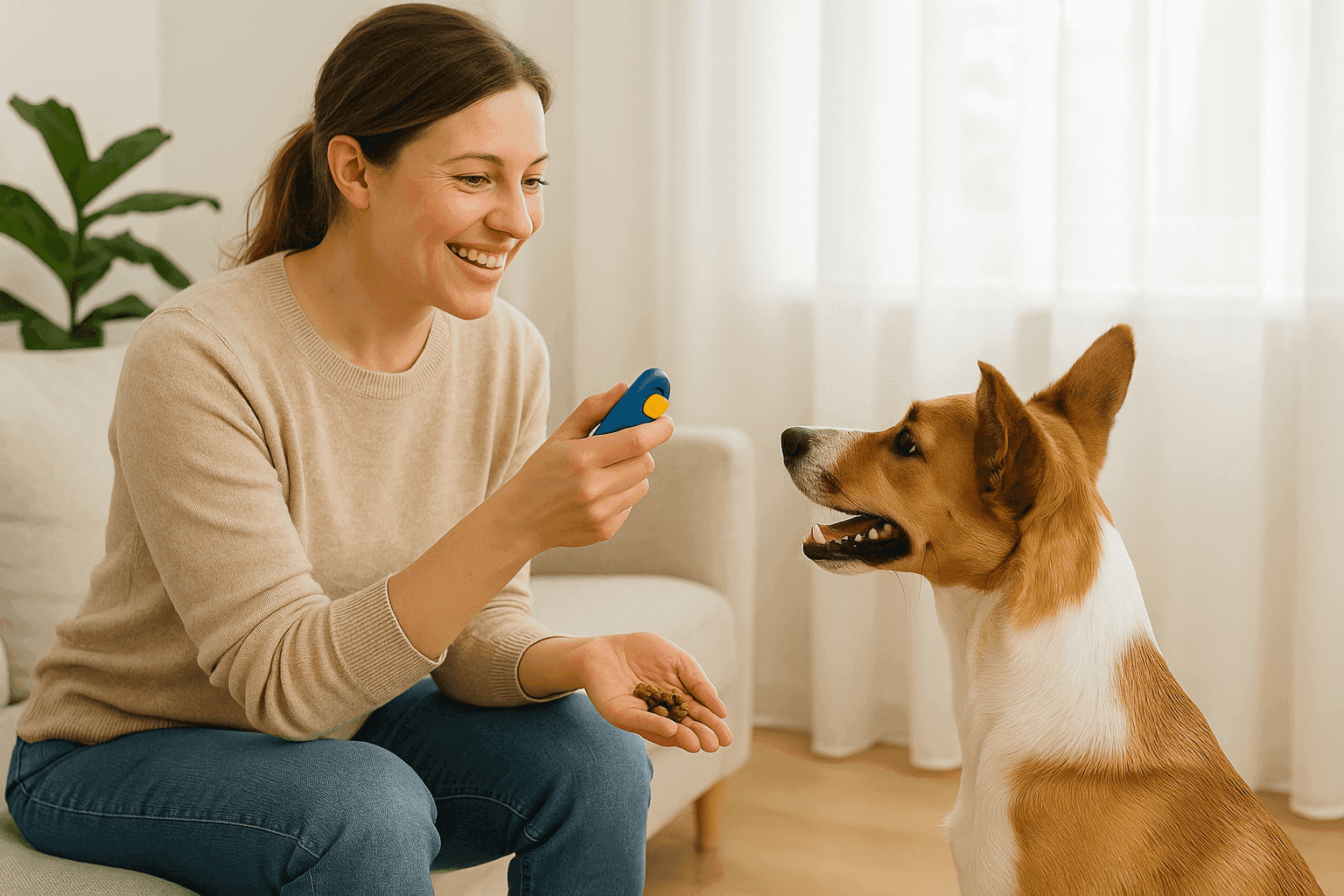
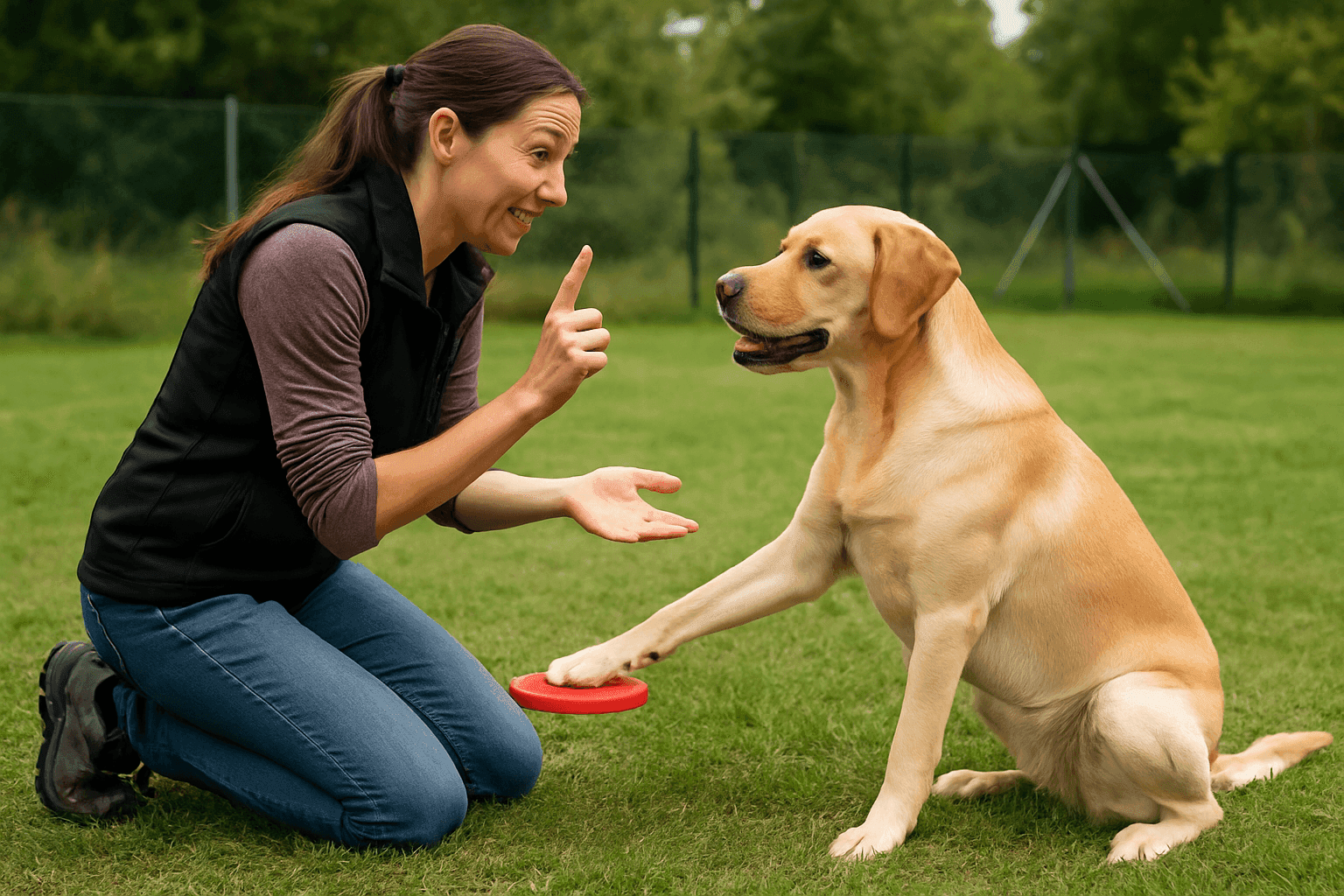
Clicker training basics for pet parents

🐾Pet Parenting Playbook·Aug 23, 2025
Clicker training basics for pet parents

Clicker training feels like magic the first time it works. One tiny click. One happy dog. One clear message that says Yes that is it.

Virtual vet care with Omelo, simple and caring

🐾Vet Voices·Aug 20, 2025
Virtual vet care with Omelo, simple and caring

Caring for pets is a daily commitment. But life gets busy. Clinics can be far. Traffic can be heavy. Pets can get anxious during travel. This is where a virtual vet consultation makes life easier.

Dog joint health basics: what to start now

🐾Early Detection 101·Aug 18, 2025
Dog joint health basics: what to start now

Watching a dog slow down hurts the heart. The short hop after a nap. The stiff first steps on cool tile. The pause before climbing stairs. Joint care is not just about tablets.

From itchy to comfy: Simple cat flea care

🐾Early Detection 101·Aug 15, 2025
From itchy to comfy: Simple cat flea care

Fleas can make the most easygoing cat irritable and uncomfortable. One tiny parasite can trigger a lot of scratching, restless sleep, red bumps, and even skin infections if things go unchecked.

Dog Vitamins: What to Give and When

🐾Pet Parenting Playbook·Aug 12, 2025
Dog Vitamins: What to Give and When

Choosing dog vitamins can feel confusing. Labels look technical. Claims feel big. Every pet is unique. This guide makes it simple. It explains when vitamins help, how to choose safely, and how to fit them into an Indian lifestyle.

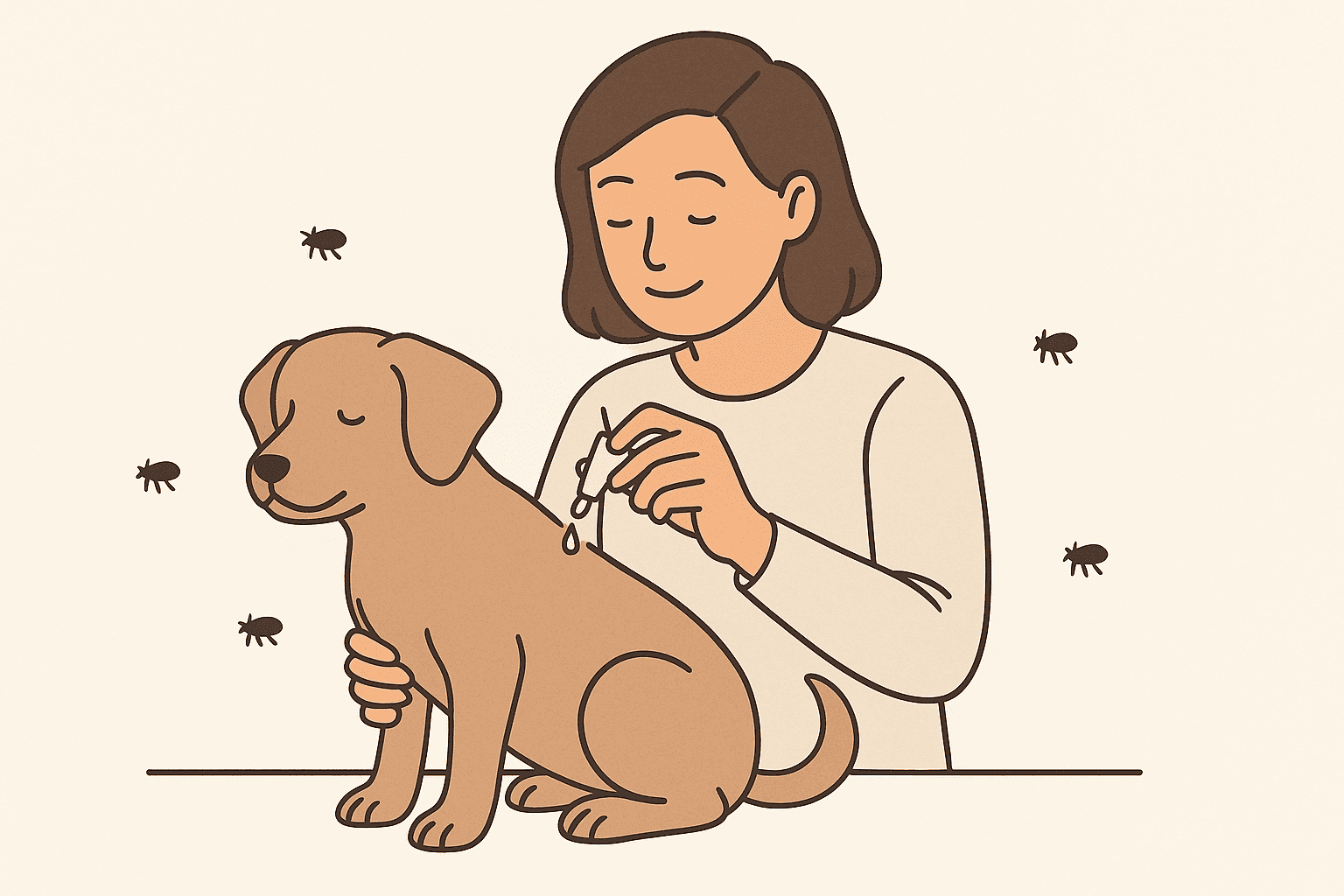
Dog Flea Treatment in India: Simple Steps That Work

🐾Early Detection 101·Aug 10, 2025
Dog Flea Treatment in India: Simple Steps That Work

Fleas can turn a happy dog into an itchy, restless, and uncomfortable one, fast. In India's warm weather and long monsoon, fleas thrive on pets, in bedding, and around homes.

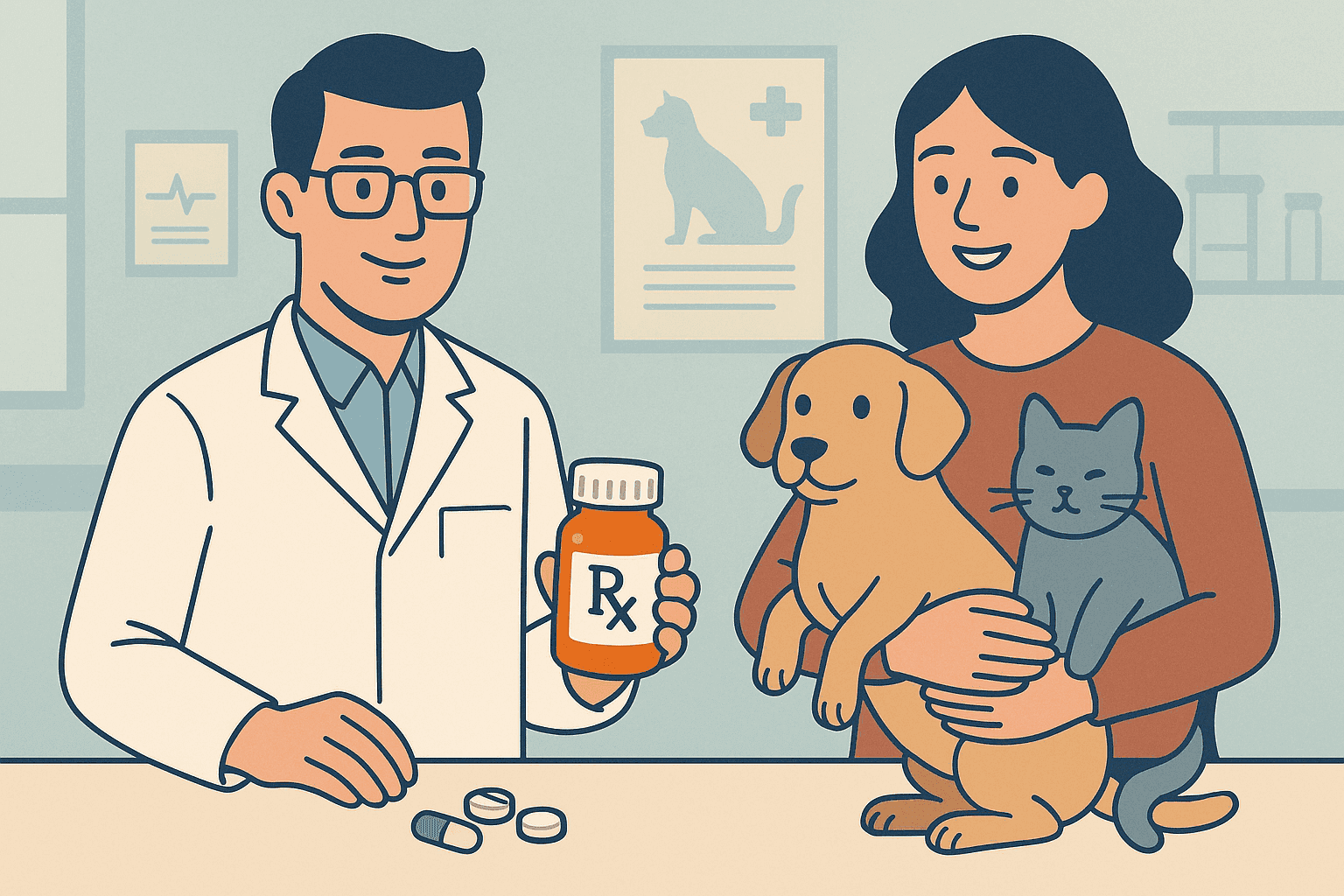
Simple Pet Medication Guide for Indian Pet Parents

🐾Pet Parenting Playbook·Aug 8, 2025
Simple Pet Medication Guide for Indian Pet Parents

Pet medications can be confusing, different names for the same drug, dosage doubts, missed refills, and last-minute panics when a pet falls sick. As pet parents, the goal is simple: keep pets healthy, treat issues early, and avoid risky guesswork.

Dogs for Adoption in India: A Loving, Practical Guide for Pet Parents with Omelo

🐾Pet Parenting Playbook·Aug 5, 2025
Dogs for Adoption in India: A Loving, Practical Guide for Pet Parents with Omelo

Opening a home to a dog is one of the most rewarding decisions a family can make. Adoption not only changes a dog's life, it changes ours.

How to Choose a Dog Harness in India: A Pet Parent's Quick Guide

🐾Pet Parenting Playbook·Aug 2, 2025
How to Choose a Dog Harness in India: A Pet Parent's Quick Guide

Choosing the right dog harness isn't just about style, it's about comfort, safety, training, and everyday control. As pet parents, we want walks to be joyful, not a tug-of-war.

Cat Food Made Simple

🐾Pet Parenting Playbook·Jul 30, 2025
Cat Food Made Simple

In Indian homes, where summers are hot, monsoons are humid, and many cats live indoors, getting cat food and hydration right can prevent urinary issues, obesity, hairballs, picky eating, and tummy upsets.

Your Husky's Daily Routine, Made Simple

🐾Pet Parenting Playbook·Jul 28, 2025
Your Husky's Daily Routine, Made Simple

Siberian Huskies are gorgeous, social, endlessly expressive, and famously independent. Their striking coat and blue eyes turn heads; their stamina and intelligence keep families on their toes.

Dog Bed Guide for India: Sizes, Styles, Materials, and Smart Buying Tips

🐾Pet Parenting Playbook·Jul 25, 2025
Dog Bed Guide for India: Sizes, Styles, Materials, and Smart Buying Tips

A good dog bed isn't a luxury, it's a daily comfort zone. In Indian homes, where summers are hot, monsoons are humid, and winters vary by region, the right dog bed can make a big difference.

Dog Training in India: A Friendly, Real-World Guide to Calm, Confident Dogs

🐾Pet Parenting Playbook·Jul 22, 2025
Dog Training in India: A Friendly, Real-World Guide to Calm, Confident Dogs

Every pet parent dreams of a well-mannered dog who listens, walks politely, and relaxes at home. The good news: great dog training is not about strict rules, it's about clear communication.

Raising a German Shepherd at Home: A Handy Guide

🐾Pet Parenting Playbook·Jul 20, 2025
Raising a German Shepherd at Home: A Handy Guide

There's a special kind of magic in living with a German Shepherd: the steady gaze that checks on the family, the quick mind that learns new cues in days.

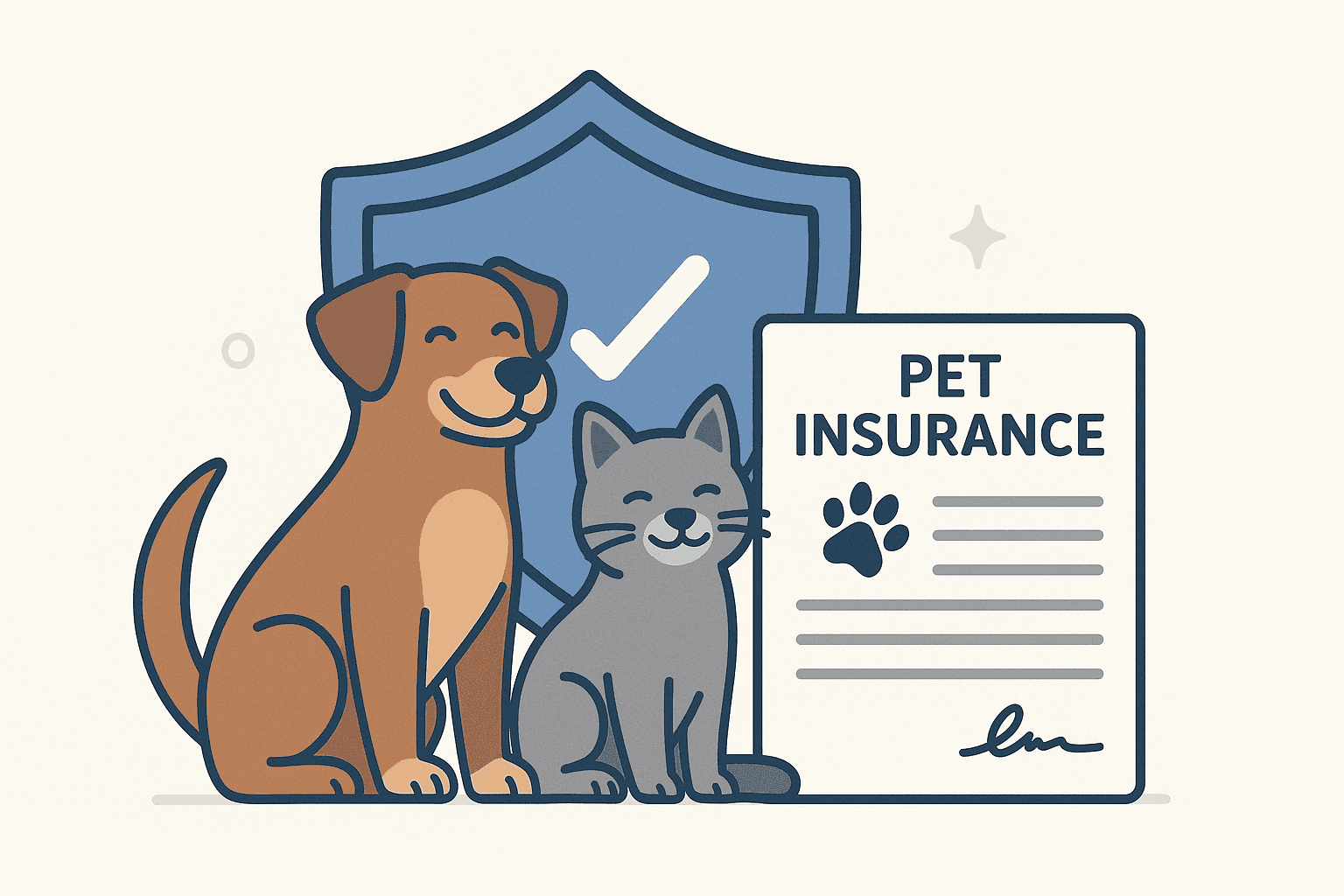
Pet Insurance in India: A Practical, Pet‑Parent Guide to Costs, Coverage, Claims, and Calm

🐾Vet Voices·Jul 18, 2025
Pet Insurance in India: A Practical, Pet‑Parent Guide to Costs, Coverage, Claims, and Calm

There's a moment every pet parent knows too well: the sudden limp after a zoomie, a midnight tummy upset, or an ear shake that just won't stop.

How to Look After Your Labrador in India

🐾Pet Parenting Playbook·Jul 15, 2025
How to Look After Your Labrador in India

Few breeds blend heart, humor, and hustle like the Labrador Retriever. Labs are energetic, affectionate, and famously food-motivated.

Golden Retriever Care Guide for India: Nutrition, Training, Grooming, Health, and Daily Routine

🐾Pet Parenting Playbook·Jul 12, 2025
Golden Retriever Care Guide for India: Nutrition, Training, Grooming, Health, and Daily Routine

Golden Retrievers are joy in motion, friendly, gentle, eager-to-please, and wonderfully family-oriented. They're also a large, high-maintenance breed that thrives on structure.

Cat Grooming Made Easy: Practical Tips, Real Stats & Omelo's Pet Parent Guide for Indian Families

🐾Pet Parenting Playbook·Jul 10, 2025
Cat Grooming Made Easy: Practical Tips, Real Stats & Omelo's Pet Parent Guide for Indian Families

In this guide, we'll walk you through everything from brushing and bathing to skin health, with stats, tips, and a conversational touch by Omelo.

Happy Puppy Meals: Everyday Food Choices That Bring Out the Best in Your Pup

🐾Pet Parenting Playbook·Jul 8, 2025
Happy Puppy Meals: Everyday Food Choices That Bring Out the Best in Your Pup

Bringing home a puppy is pure magic, the curious eyes, the wobbly walks, and the unconditional love. But every moment of joy comes with a big responsibility.

Always There When You Need Us: The Real Impact of 24-Hour Vets for Pet Parents in India

🐾Vet Voices·Jul 5, 2025
Always There When You Need Us: The Real Impact of 24-Hour Vets for Pet Parents in India

If you've ever Googled "24 hour vet near me" at 2 AM, you know just how important it is to have dependable, round-the-clock pet care.

Dog Health Made Easy: Real-Life Tips for Real Pet Parents

🐾Early Detection 101·Jul 2, 2025
Dog Health Made Easy: Real-Life Tips for Real Pet Parents

As pet parents, our dogs are family. Their goofy smiles, wagging tails, and endless love brighten every day. With increasing focus on canine well-being, both pet parents and companies like Omelo are reimagining what dog health truly means.

Home-Cooked Love for Your Dog: Simple Ways to Nourish Your Pet

🐾Pet Parenting Playbook·Jun 30, 2025
Home-Cooked Love for Your Dog: Simple Ways to Nourish Your Pet

As a devoted pet parent, you've probably wondered whether that bag of commercial kibble truly provides the best nutrition for your beloved companion.

The life-saving art of spotting it early: A guide for pet parents

🐾Early Detection 101·Jun 28, 2025
The life-saving art of spotting it early: A guide for pet parents

Early signs of illness in pets are often subtle and easy to miss. This in-depth guide explores why early detection matters, the clues to watch for, and how Omelo's AI scan helps you act before it's too late.

From guesswork to great care: The pet parenting playbook

🐾Pet Parenting Playbook·Jun 25, 2025
From guesswork to great care: The pet parenting playbook

Pet parenting isn't just walks and cuddles, it's responsibility, readiness, and reading the signs. This blog breaks down the most overlooked challenges and how Omelo helps you navigate them smarter.

From the vet's desk: what every pet parent needs to know

🐾Vet Voices·Jun 22, 2025
From the vet's desk: what every pet parent needs to know

What if you could hear what vets really think? This blog compiles clinical wisdom, everyday truths, and myths that slow down care, plus how Omelo brings professional insights to your fingertips.

Why Omelo exists?

🐾Inside Omelo·Jun 20, 2025
Why Omelo exists?

Omelo wasn't built as a gadget, it was built as a companion. Here's how we started, what we learned from real users, and why we believe the future of pet health starts at home.

True tails: the scans that changed everything

🐾True Tails·Jun 18, 2025
True tails: the scans that changed everything

These aren't product stories. They're stories of real pets, real problems, and how one scan changed everything. If you've ever had a gut feeling something was off, read on.