Dog Vitamins: What to Give and When
Quick Answer
Choosing dog vitamins can feel confusing. Labels look technical. Claims feel big. Every pet is unique. This guide makes it simple. It explains when vitamins help, how to choose safely, and how to fit them into an Indian lifestyle.
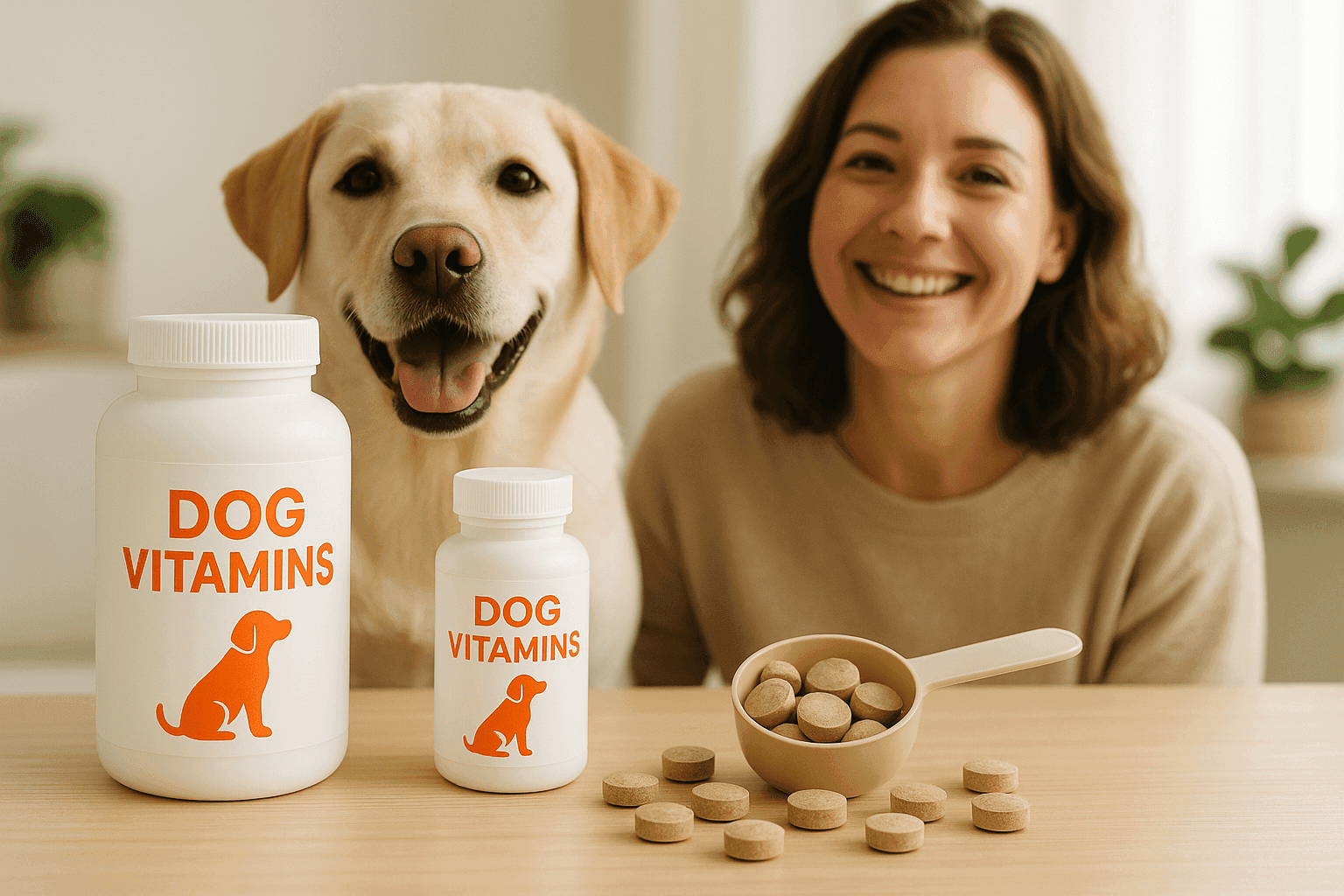
Do Dogs Actually Need Vitamins?
However, there are specific situations where supplements can help:
- Dogs on homemade or raw diets that may lack certain nutrients
- Senior dogs with declining nutrient absorption
- Dogs with specific health conditions like joint issues, skin problems, or immune deficiencies
- Pregnant or nursing dogs with increased nutritional demands
- Dogs recovering from illness or surgery
The Most Common Dog Supplements and When They Help
Glucosamine and Chondroitin: Supports joint health by maintaining cartilage. Most beneficial for large breeds, senior dogs, and breeds predisposed to hip or elbow dysplasia. Start early for prevention, not just after problems appear.
Probiotics: Support digestive health, especially after antibiotic treatment, during diet changes, or for dogs with chronic soft stools. Choose a dog-specific probiotic as human formulations may not contain the right bacterial strains.
Multivitamins: Generally unnecessary for dogs on complete commercial diets. Can be beneficial for dogs on homemade diets under veterinary guidance. Over-supplementation can cause toxicity, especially with fat-soluble vitamins A, D, E, and K.
Get a 3-question triage and a vet-reviewed action plan.
Free to try. 30 seconds. No card to start. Rated 4.8 on Google Play.
Vitamin E: Sometimes recommended for dogs with skin conditions or immune support. Should only be given at vet-recommended doses.
The Risks of Over-Supplementation
This is why it is essential to consult your vet before adding any supplement to your dog's routine. What works for one dog may be harmful for another based on their diet, breed, age, and health status.
How to Choose Quality Supplements
Check the ingredient list for fillers, artificial colors, and unnecessary additives. The best supplements have minimal ingredients focused on the active compound.
Read dosing instructions carefully and adjust for your dog's weight. Most supplements provide weight-based dosing guidelines.
Tracking What Works
Get a 3-question triage and a vet-reviewed action plan.
Free to try. 30 seconds. No card to start. Rated 4.8 on Google Play.
More in Pet Parenting Playbook


Breed-Specific Health Guides
View all breed health guidesWas this article helpful?
Dr. Anubha
Veterinarian · Medical Reviewer
Reviews all clinical and triage content on Omelo. Hands-on small-animal practice experience across vomiting, dermatology, vaccinations, and emergency triage. All Omelo recommendations pass through Dr. Anubha before publication.
Read Dr. Anubha's full bio →