Cat Grooming Made Easy: Practical Tips, Real Stats & Omelo's Pet Parent Guide for Indian Families
Quick Answer
In this guide, we'll walk you through everything from brushing and bathing to skin health, with stats, tips, and a conversational touch by Omelo.
Why Grooming Matters More Than Appearance
Cats are natural self-groomers, spending 30 to 50 percent of their waking hours grooming themselves. But self-grooming has limits, especially for long-haired breeds, senior cats with reduced flexibility, or overweight cats that cannot reach certain areas.
Brushing: The Foundation of Cat Grooming
For long-haired cats (Persians, Maine Coons, Ragdolls): Daily brushing is recommended to prevent mats. Use a wide-toothed comb first to detangle, followed by a slicker brush. Pay special attention to the belly, behind the ears, and under the legs where mats form most frequently.
For medium-haired cats: Two to three times per week is usually sufficient.
Bathing: Less Often Than You Think
- Your cat gets into something they cannot clean themselves (oil, paint, sticky substances)
- They have a skin condition that requires medicated shampoo
- They are elderly or ill and unable to groom properly
- They have fleas that require bathing as part of treatment
- Use lukewarm water and a cat-specific shampoo (never human shampoo, the pH is wrong)
- Keep water away from ears and eyes
- Work quickly and calmly. Most cats tolerate baths better than expected if you are confident and gentle
- Dry thoroughly with towels. Avoid hair dryers unless your cat is comfortable with the noise
Get a 3-question triage and a vet-reviewed action plan.
Free to try. 30 seconds. No card to start. Rated 4.8 on Google Play.
Nail Trimming
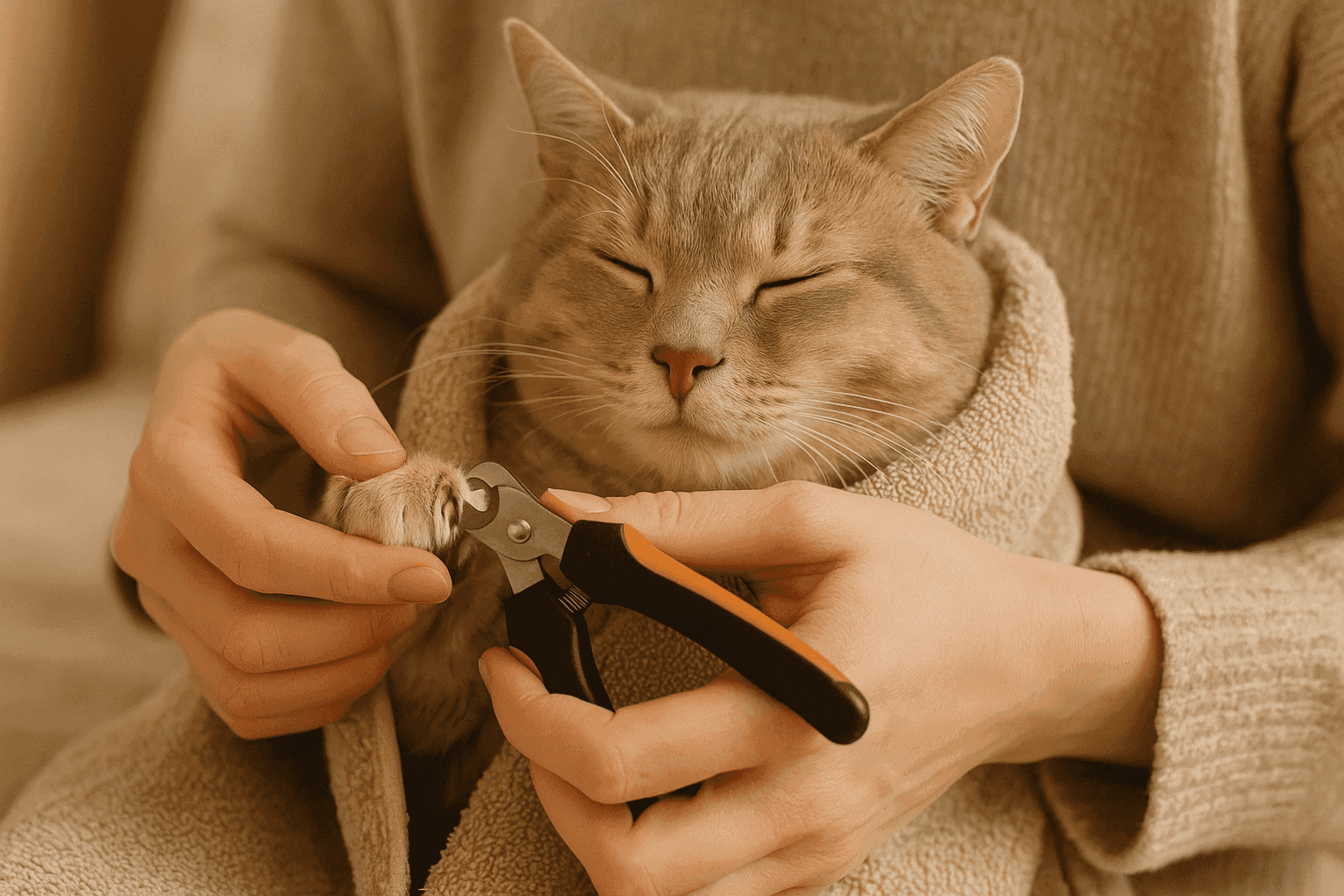
Use cat-specific nail clippers. Trim only the transparent tip, avoiding the pink quick. If your cat has dark nails, trim small amounts at a time.
If your cat is resistant to nail trimming, try doing one paw per session. Reward with treats afterward to build positive association.
Ear and Eye Care
Gently wipe away any discharge from the corners of the eyes with a damp cotton ball. Persistent discharge, especially if colored or accompanied by squinting, warrants a vet visit.
Dental Care
- Dental treats and water additives help reduce tartar buildup
- Annual dental checks with your vet catch problems early
- If your cat will tolerate it, finger brushes with cat-safe toothpaste are the gold standard
Using Grooming as a Health Check
Get a 3-question triage and a vet-reviewed action plan.
Free to try. 30 seconds. No card to start. Rated 4.8 on Google Play.
More in Pet Parenting Playbook


Breed-Specific Health Guides
View all breed health guidesWas this article helpful?
Dr. Anubha
Veterinarian · Medical Reviewer
Reviews all clinical and triage content on Omelo. Hands-on small-animal practice experience across vomiting, dermatology, vaccinations, and emergency triage. All Omelo recommendations pass through Dr. Anubha before publication.
Read Dr. Anubha's full bio →