Pet care with AI simple steps that work
Quick Answer
AI is quietly transforming pet parenting in India. From instant symptom checks to proactive wellness plans and triage that prevents late night panic, today's tools can turn every 'Is this normal' moment into simple next steps.
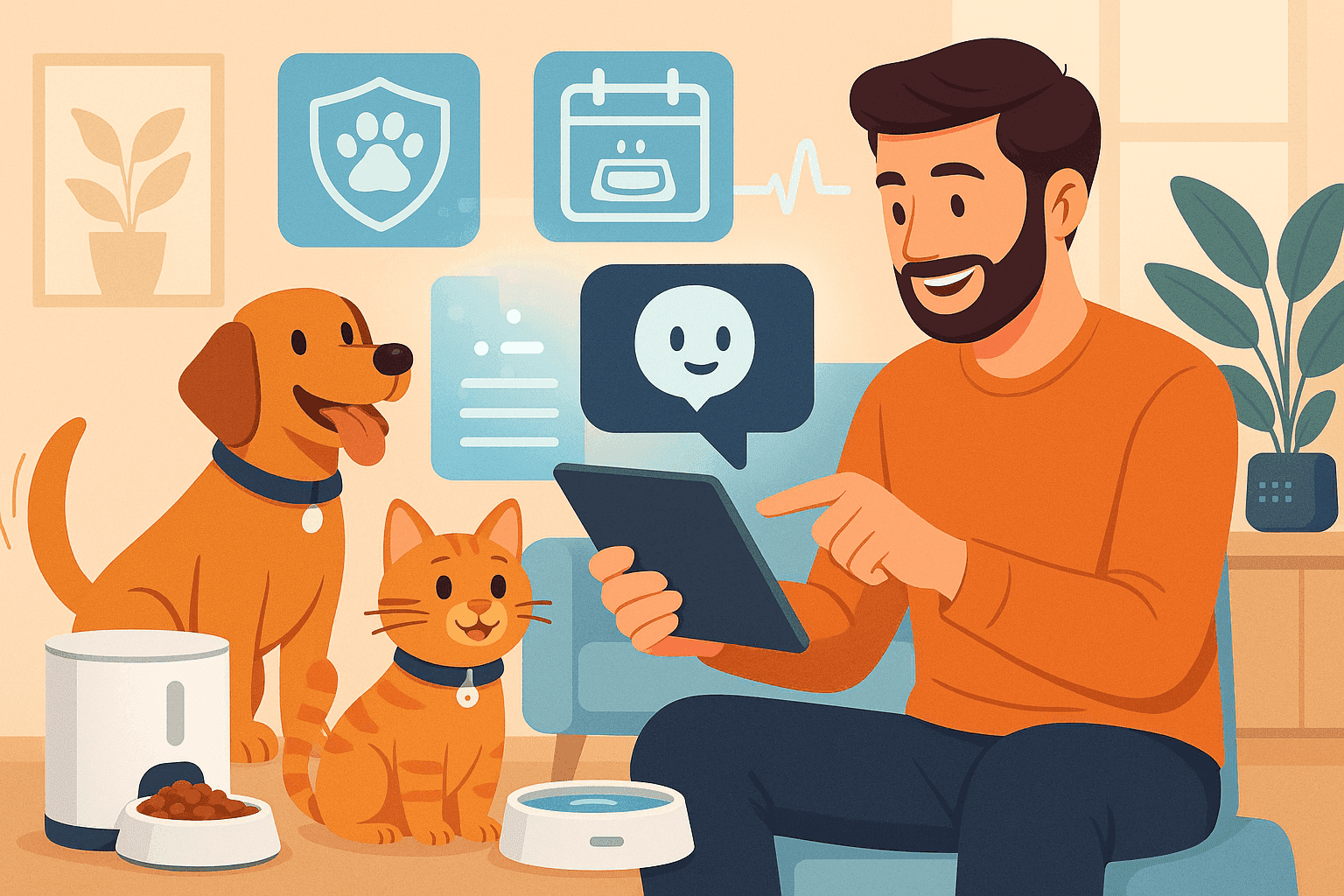
AI Is Not Replacing Vets. It Is Filling the Gap Between Visits.
AI pet health tools are not diagnostic machines. They are triage systems. They help you figure out what is urgent, what can wait, and what to monitor. They turn your observations into structured data that a vet can use. And they do it at any hour, in any language, without an appointment.
How AI Pet Care Actually Works
- You describe what you are seeing. A symptom, a behavior change, a photo of a skin issue or a lab report.
- The AI analyzes your input against your pet's specific profile: breed, age, weight, past symptoms, and health history.
- It returns a triage assessment. Not a diagnosis, but a clear recommendation: monitor at home, schedule a vet visit this week, or seek urgent care now.
- Everything is logged automatically. Your pet's health timeline grows with every interaction.
What Makes Omelo Different from Google or ChatGPT
Get a 3-question triage and a vet-reviewed action plan.
Free to try. 30 seconds. No card to start. Rated 4.8 on Google Play.
ChatGPT knows about dogs in general. Omelo knows your dog specifically. Every response is built from your pet's actual health history. If your dog had a stomach issue three months ago and is now showing reduced appetite again, Omelo connects those dots. Google cannot do that. ChatGPT cannot do that.
Practical Steps to Get Started
- Download Omelo and set up your pet's profile. Breed, age, weight, any known conditions.
- Do the daily check-in. It takes two seconds. Just confirm how your pet is doing.
- Use the symptom checker when something seems off. Describe what you see in plain language.
- Upload lab reports or prescriptions when you get them. Omelo stores and analyzes them.
- Connect with a vet through Omelo when the AI recommends it. Your pet's full history goes with you automatically.
The Results Speak for Themselves
The goal is not to turn you into a vet. It is to make you a more informed, more confident pet parent. One who catches problems early, asks better questions at the clinic, and never feels alone at 2 AM when something seems wrong.
Get a 3-question triage and a vet-reviewed action plan.
Free to try. 30 seconds. No card to start. Rated 4.8 on Google Play.
More in Inside Omelo

Breed-Specific Health Guides
View all breed health guidesWas this article helpful?
Dr. Anubha
Veterinarian · Medical Reviewer
Reviews all clinical and triage content on Omelo. Hands-on small-animal practice experience across vomiting, dermatology, vaccinations, and emergency triage. All Omelo recommendations pass through Dr. Anubha before publication.
Read Dr. Anubha's full bio →