Dog Flea Treatment: Simple Steps That Work
Quick Answer
Fleas can turn a happy dog into an itchy, restless, and uncomfortable one, fast. In India's warm weather and long monsoon, fleas thrive on pets, in bedding, and around homes.
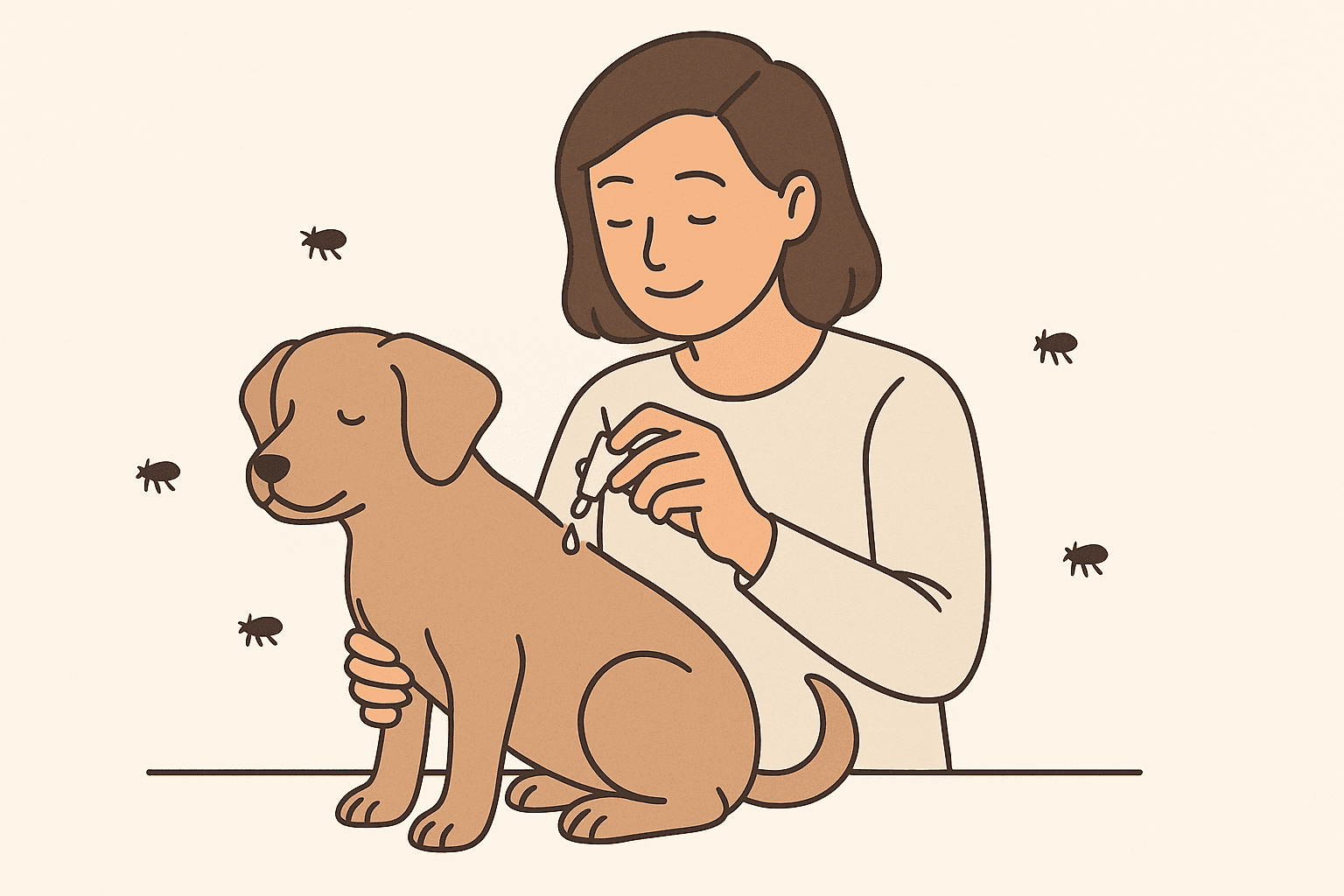
Fleas are a year-round reality for dogs in India. Our warm climate, long monsoons, and dense urban living mean fleas thrive on pets, in bedding, and around homes. A single untreated flea problem can trigger intense scratching, hot spots, anaemia in puppies, and a frustrating cycle of reinfestation. This guide walks you through the exact steps to treat fleas safely and keep them from coming back.
The quick answer
How fleas spread in Indian homes
- Contact with street dogs, strays, or unvaccinated visiting pets
- Outdoor grass, shaded garden areas, and balcony plants during monsoon
- Stray cats that rest near your home and leave eggs in dust and cracks
- Human clothing and shoes that carry eggs indoors
- Shared bedding, couches, and soft furnishings if your dog sleeps there
Adult fleas make up only about 5% of a total flea population, the other 95% lives in the environment as eggs, larvae, and pupae. That's why treating only your dog rarely solves the problem.
Signs of a flea problem
- Intense scratching, especially around the base of the tail, thighs, and belly
- Hair loss or red, inflamed skin from scratching
- Small black "flea dirt" (looks like ground pepper) in your dog's fur, turns reddish-brown when moistened, as it's digested blood
- Restless sleep and frequent biting at the skin
- Small red bumps on your own ankles (flea bites don't stay only on dogs)
- Pale gums in puppies or small dogs, a sign of flea anaemia, which is a medical emergency
Treatment steps that actually work
- Weigh your dog before buying any product. Most vet-approved flea treatments are dosed by weight, and under- or over-dosing is unsafe.
- Choose a vet-approved product. Spot-on and oral flea treatments are both effective when chosen correctly for your dog's size and age. Avoid unbranded or low-cost products of unknown origin, pet stores in India stock both safe and unsafe options, and labels aren't always reliable.
- Treat every pet in the home on the same day. Untreated animals will reinfest the treated ones within days. Use species-appropriate products for each animal, cat and dog flea products are not interchangeable, and using a dog product on a cat can be fatal.
- Wash all bedding in hot water. Flea eggs die at high temperatures. Dog beds, couch covers, throw blankets, and anything else your dog rests on should be washed on the hottest setting safe for the fabric.
- Vacuum carpets, rugs, sofas, and floor cracks thoroughly. Empty the vacuum bag or canister outside immediately, fleas can continue their life cycle inside the vacuum.
- Consider environmental treatment if the infestation is severe. Indoor flea sprays are available through vets; outdoor treatment may be needed if your dog spends time on grass or tiled outdoor areas.
- Keep treatment going monthly, year-round. This is where most Indian pet parents slip up. Seasonal treatment doesn't work here, our climate keeps fleas breeding almost all year.
Prevention: the part that matters most
Get a 3-question triage and a vet-reviewed action plan.
Free to try. 30 seconds. No card to start. Rated 4.8 on Google Play.
- Stick to a monthly flea preventive, year-round, not just during monsoon
- Brush your dog weekly and check for flea dirt during brushing
- Keep bedding clean and washed regularly
- Limit contact with known stray cats and unvaccinated dogs
- Ask your vet about combination products that cover fleas, ticks, and heartworm together if you're in a high-parasite area
When to see a vet
- Your dog's gums are pale or white, possible flea anaemia
- There are open or infected-looking sores from scratching
- Your dog is lethargic, not eating, or seems weak
- You've used a treatment and fleas are still present after two weeks
- Your puppy is under eight weeks old, most flea products aren't safe for very young puppies and require vet guidance
Frequently asked questions
Do I really need flea treatment year-round in India?
Are home remedies like coconut oil or apple cider vinegar effective?
Can I use human anti-lice shampoo on my dog?
My dog has a flea allergy, what's different?
Need help choosing the right flea treatment for your dog?
*This article provides general educational information only. It does not replace veterinary advice. Always consult a licensed vet for diagnosis, treatment, or advice specific to your pet.*
Get a 3-question triage and a vet-reviewed action plan.
Free to try. 30 seconds. No card to start. Rated 4.8 on Google Play.
More in Early Detection 101

Breed-Specific Health Guides
View all breed health guidesWas this article helpful?
Dr. Anubha
Veterinarian · Medical Reviewer
Reviews all clinical and triage content on Omelo. Hands-on small-animal practice experience across vomiting, dermatology, vaccinations, and emergency triage. All Omelo recommendations pass through Dr. Anubha before publication.
Read Dr. Anubha's full bio →