Raising a German Shepherd at Home: A Handy Guide
Quick Answer
There's a special kind of magic in living with a German Shepherd: the steady gaze that checks on the family, the quick mind that learns new cues in days.
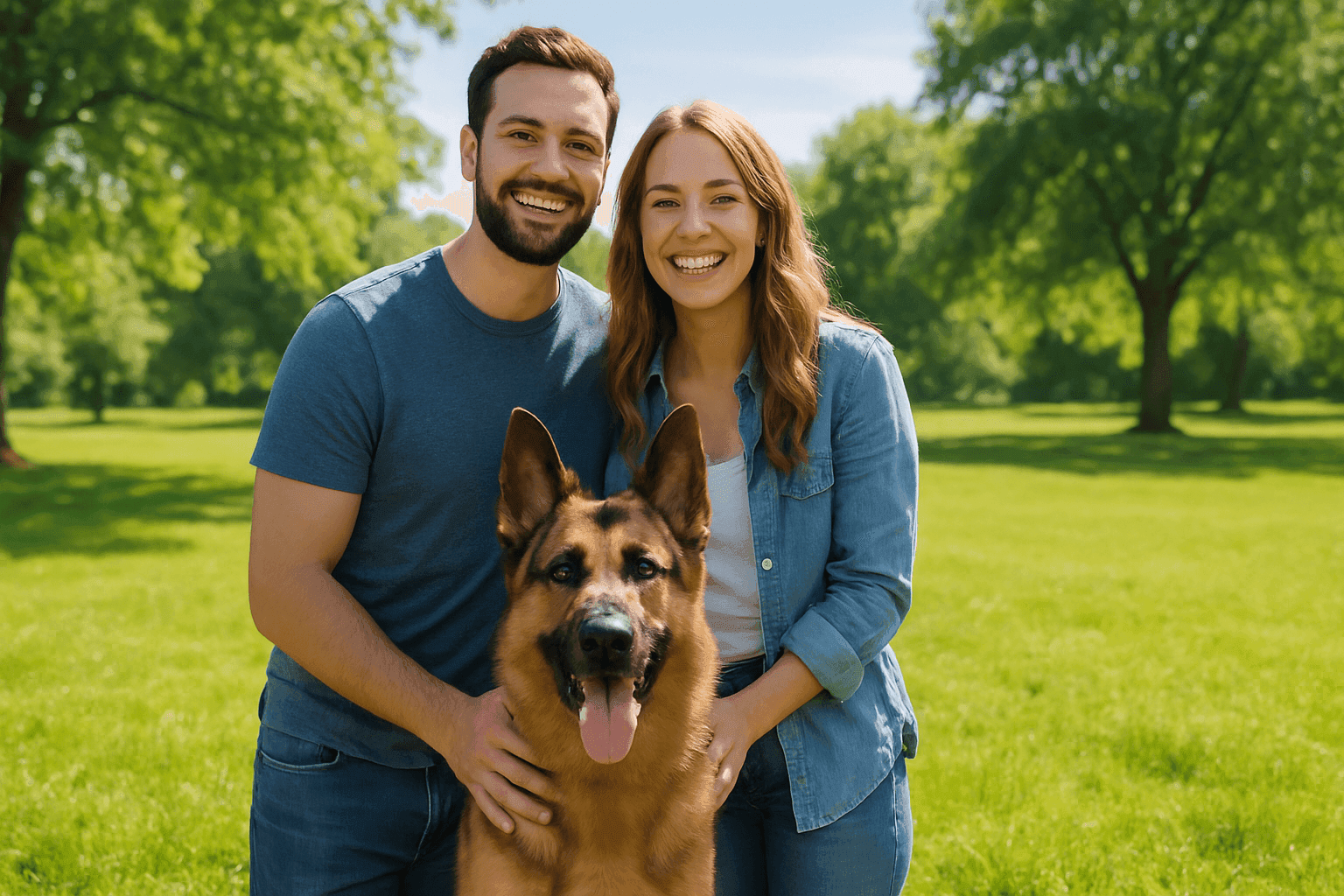
Living with a German Shepherd: Rewarding and Demanding
A well-raised German Shepherd is one of the best family dogs you can have. A poorly managed one can develop anxiety, aggression, or destructive behaviors. The difference comes down to how you raise them.
Training: Start Early, Be Consistent
- Begin socialization between 8 and 14 weeks. Expose your puppy to different people, environments, sounds, and other animals in a controlled, positive way.
- Use positive reinforcement. German Shepherds are sensitive and respond poorly to harsh correction. Firm but fair is the approach.
- Train daily. Even 15 minutes of structured training is more valuable than an hour of unstructured play.
- Work on impulse control early: sit-stay, wait at doors, leave it. These are not tricks. They are safety skills for a powerful breed.
- Consider advanced training or dog sports like tracking, obedience trials, or protection work to channel their intelligence productively.
Exercise Requirements
- Minimum 90 minutes of exercise per day for adult dogs.
- Mix physical and mental exercise: structured walks, off-leash play (in safe areas), fetch, training games, and puzzle feeders.
- Avoid repetitive high-impact exercise on hard surfaces during the first 18 months. Their joints are still developing.
- Swimming is excellent low-impact exercise, though not all German Shepherds take to water naturally.
Nutrition for a Large, Active Breed
Get a 3-question triage and a vet-reviewed action plan.
Free to try. 30 seconds. No card to start. Rated 4.8 on Google Play.
- Choose a high-quality large-breed food with easily digestible protein sources.
- Feed twice daily. Avoid one large meal to reduce bloat risk.
- Watch for signs of food sensitivities: loose stools, excessive gas, or skin irritation.
- Maintain lean body condition. German Shepherds should have a visible waist and you should be able to feel ribs.
- Joint supplements containing glucosamine and chondroitin can benefit this breed starting from age 2 to 3.
Common Health Issues
Degenerative Myelopathy: A progressive spinal cord disease. Watch for hind-leg weakness or dragging in older dogs.
Bloat (GDV): A life-threatening emergency. Feed smaller, more frequent meals, avoid exercise immediately after eating, and learn the signs: restlessness, unproductive retching, and a distended abdomen.
Skin and Coat Issues: German Shepherds can develop allergies and hot spots. Regular grooming and monitoring help catch these early.
Grooming the Double Coat
- Brush at least three times per week, daily during shedding season.
- Use an undercoat rake to remove loose fur effectively.
- Bathe only when necessary. Frequent bathing can dry out their skin.
- Check ears weekly for infection, especially after swimming or rain.
Why Daily Monitoring Matters for This Breed
Get a 3-question triage and a vet-reviewed action plan.
Free to try. 30 seconds. No card to start. Rated 4.8 on Google Play.
More in Pet Parenting Playbook


Breed-Specific Health Guides
View all breed health guidesWas this article helpful?
Dr. Anubha
Veterinarian · Medical Reviewer
Reviews all clinical and triage content on Omelo. Hands-on small-animal practice experience across vomiting, dermatology, vaccinations, and emergency triage. All Omelo recommendations pass through Dr. Anubha before publication.
Read Dr. Anubha's full bio →