How to Store Pet Medical Records Digitally (and Share with Any Vet)
Quick Answer
Step-by-step guide to digitizing your pet's medical records, what to capture, how to organize, and how to share with any vet in any country. Built-in tools in Omelo make this automatic.
Key Takeaways
- Digital pet records reduce vet appointment time and improve diagnostic accuracy when switching vets or traveling.
- Essential fields: vaccinations, deworming, medications, allergies, surgeries, microchip, weight history.
- Most international travel requires a microchip + rabies certificate + accredited-vet health certificate.
- Structure matters more than storage; a queryable record beats a folder of PDFs.

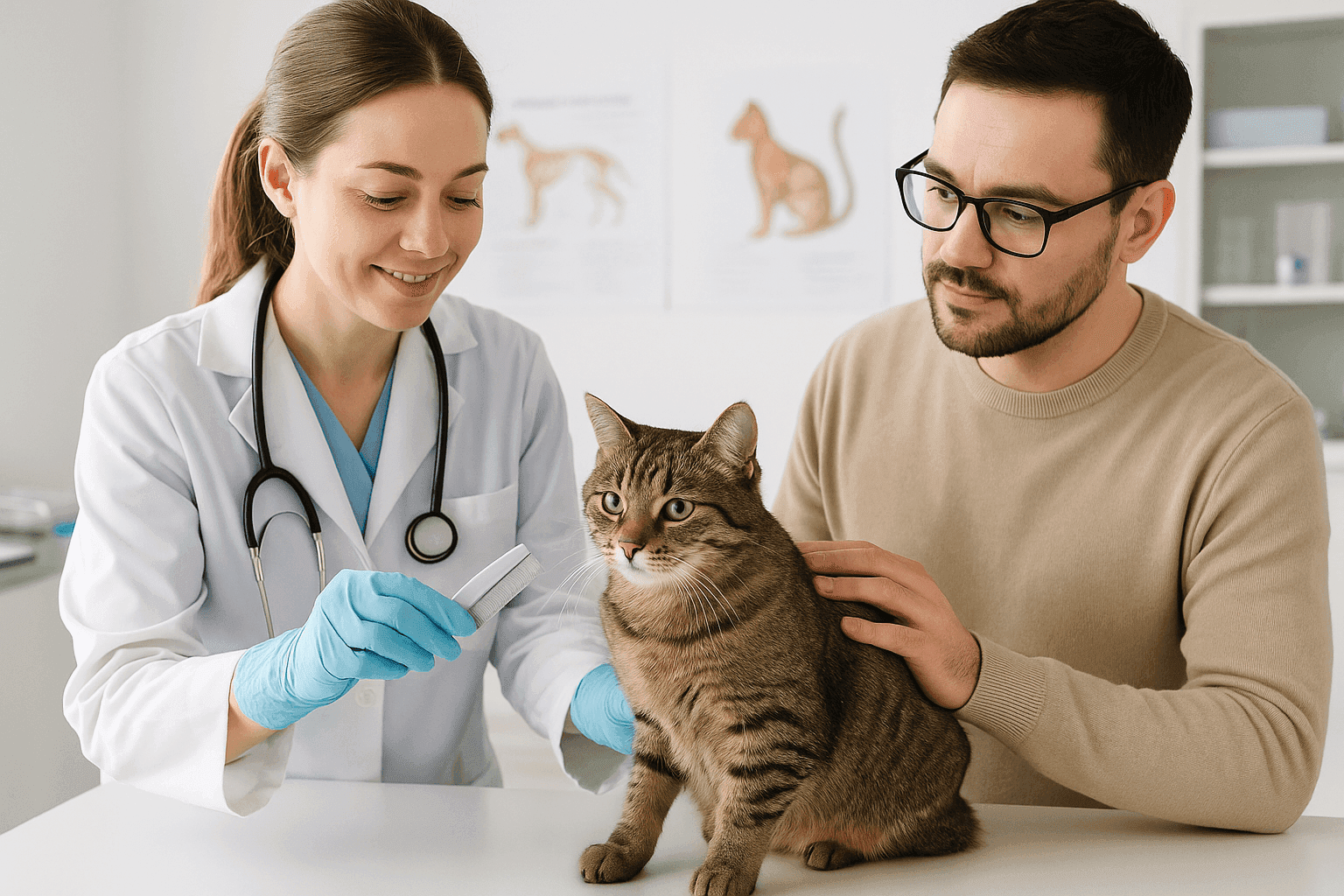
Photo: Joe Caione / Unsplash
Why digital pet medical records matter
This guide walks through what to capture, how to organize, and how to share with any vet.
What to capture
- Vaccinations: date, vaccine name, lot number (if available), expiry/next due, vet who administered
- Deworming + flea/tick: product name, date, weight at time of dose
- Medications: name, dose, frequency, start/stop dates, vet, reason
- Allergies + adverse reactions: specific drug or food, severity of reaction
- Surgeries: date, procedure, vet, anesthesia notes if available
- Diagnoses: date diagnosed, condition, current management
- Weight history (monthly minimum)
- Lab results (CBC, chemistry, urinalysis)
- Imaging (X-ray, ultrasound reports)
- Microchip number + registration
- Pet insurance details
- Emergency contacts (your vet, nearest 24h vet, pet poison line)
- Symptom log
- Behavior notes
- Diet history
Three ways to do it
1. Paper folder. Cheap, works, falls apart in emergencies and during moves. Don't recommend.
2. Google Drive or Dropbox folder. Cheap, works for storage but no structure. Vets receiving a PDF dump struggle to find what they need. Records don't query.
3. A pet health app like Omelo. Structured fields, auto-reminders for next dose / next vaccine, queryable, shareable with one tap. The point is not the storage, the point is the structure.
How to migrate your existing records
- Past vet receipts (Gmail search "veterinary" or your vet's name)
- Vaccination booklet
- Prescription history
- Microchip registration email
- Free: Omelo (longitudinal record built in, vet-shareable)
- Paid: PetDesk, Pawprint, your vet's own portal (limited to that vet)
Get a 3-question triage and a vet-reviewed action plan.
Free to try. 30 seconds. No card to start. Rated 4.8 on Google Play.
- Microchip, breed, DOB, weight, allergies
- Most recent vaccinations + next-due dates
- Current medications
- Last 12 months of vet visits
- Last 12 months of medications
You don't need to capture everything from year one. Start now, going forward.
How to share with any vet
- 1-page summary at the top (allergies, current meds, recent diagnoses)
- Vaccinations with dates
- Weight chart
- Symptom timeline (if relevant)
Omelo generates this automatically. Tap "share with vet," get a clean PDF or a link.
For international travel
- Microchip (ISO 15-digit)
- Rabies vaccination certificate (typically 21+ days, not more than 1 year old)
- Health certificate from accredited vet (issued <10 days before travel for most)
- Tick/tapeworm treatment (some countries: UK, Ireland, Finland, Malta, Norway)
- Import permit (some countries)
Keep digital + printed copies. Customs sometimes wants paper.
Privacy
- Is the data encrypted at rest and in transit?
- Is data sold to third parties?
- Can you delete your data?
Omelo does not sell data. Encrypted in storage and transit. You can request deletion at any time at [email protected].
The Omelo angle
Related reading
Frequently Asked Questions
How do I share my pet's medical records with a vet?
The fastest way is a single digital file or app you can hand over. Keep your pet's records as clear photos or PDFs in one place, a cloud folder or a pet health app, then share a link or export at the visit. A structured app like Omelo lets you share a complete health summary in one tap, so a new or emergency vet sees vaccination history, past issues, and medications without you digging through paper. Bring the rabies certificate specifically, since many clinics and boarding facilities require proof.
What is the best way to store pet medical records?
Store them digitally, backed up, and structured. A paper folder works until an emergency at 2 AM. A cloud folder like Google Drive or Dropbox is better for backup but has no reminders or structure. A dedicated pet health app is best because it keeps vaccination dates, weight, symptoms, and documents in labeled fields and reminds you before boosters are due. Whatever you choose, keep a photo of the rabies certificate on your phone.
How do I get copies of my pet's records from my vet?
You own your pet's medical records, so ask the clinic's front desk for a copy. Most will email a PDF or print the file. If you are switching vets, request the full history including vaccination dates, lab results, and any diagnoses. Save the file the day you receive it, since clinics are not required to keep records forever.
Do I need my pet's records for travel?
Yes, especially for air travel or crossing state or national borders. For US interstate and international pet travel, the USDA APHIS Pet Travel program sets the health-certificate and rabies requirements, and airlines and destination countries often require proof of a current rabies vaccine. Keep a digital copy of the rabies certificate and any health certificate accessible on your phone.
Can I access my pet's records if I switch vets or move?
Only if you keep your own copy. Clinics do not share records automatically, and a practice can close or purge old files. Storing your pet's history in your own cloud folder or a pet health app means you carry it to any new vet, boarding facility, or emergency clinic, with no request-and-wait.
Does Omelo store and share my pet's records?
Yes. Omelo keeps your pet's vaccination history, weight, symptoms, and documents in one structured place, reminds you before boosters are due, and lets you share a complete health summary with any vet in one tap. Free on iOS and Android.
References
Get a 3-question triage and a vet-reviewed action plan.
Free to try. 30 seconds. No card to start. Rated 4.8 on Google Play.
More in Pet Parenting Playbook


Breed-Specific Health Guides
View all breed health guidesWas this article helpful?
Dr. Anubha
Veterinarian · Medical Reviewer
Reviews all clinical and triage content on Omelo. Hands-on small-animal practice experience across vomiting, dermatology, vaccinations, and emergency triage. All Omelo recommendations pass through Dr. Anubha before publication.
Read Dr. Anubha's full bio →