Using ChatGPT for Pet Symptoms? Here Is What It Cannot Do
Quick Answer
ChatGPT can tell you about dogs. It cannot tell you about your dog. The clinical difference between a general-purpose language model and a companion with persistent health memory.
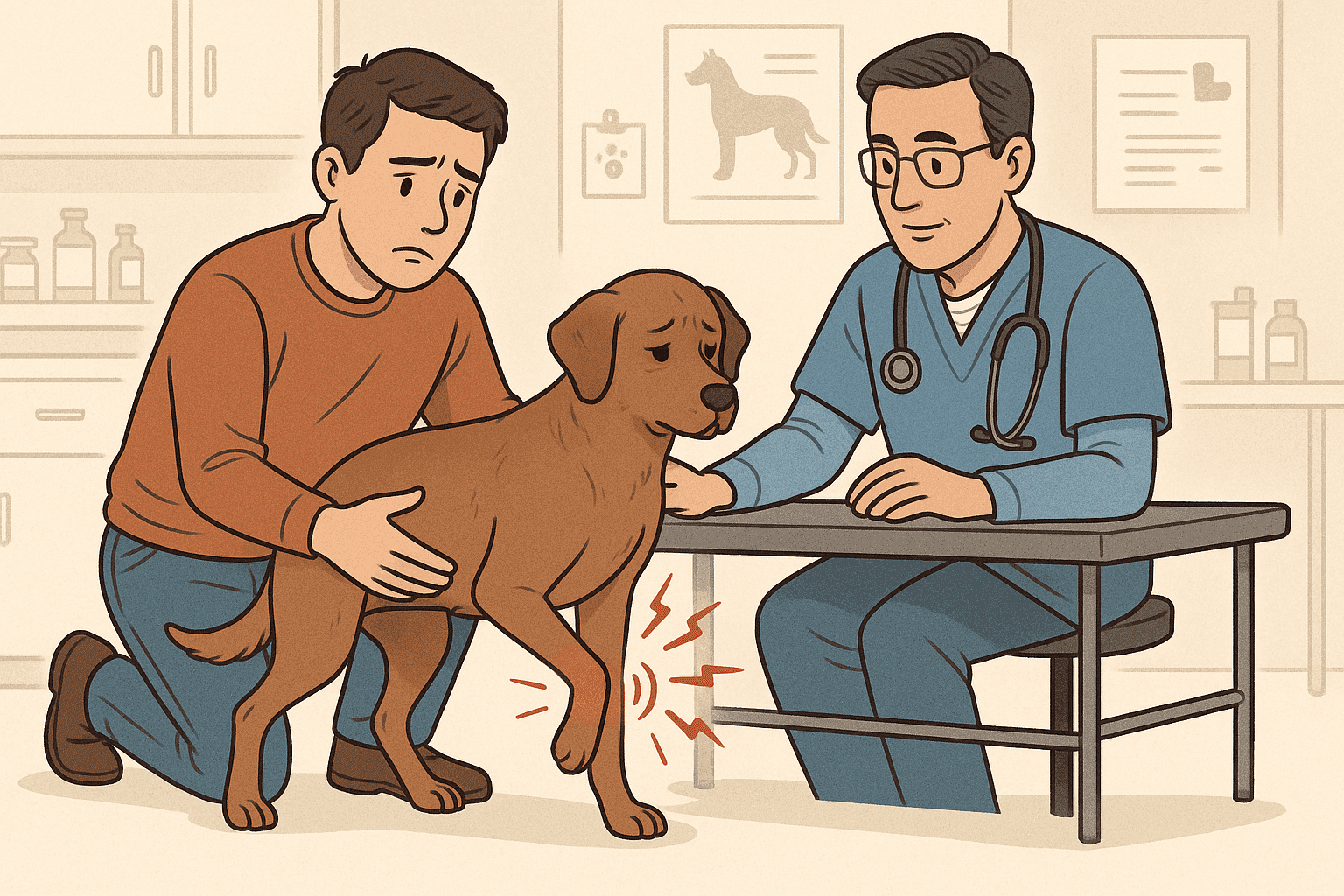
What ChatGPT Does When You Ask About Pet Symptoms
The response is typically accurate in broad terms. It will mention common causes (dietary indiscretion, bilious vomiting syndrome, pancreatitis), suggest monitoring for certain warning signs, and recommend consulting a veterinarian if symptoms persist. For general health education, this is useful.
The Five Things ChatGPT Cannot Do
- It cannot remember your pet.
- It cannot track patterns over time.
- It cannot assess severity for your specific pet.
- It cannot connect you to a veterinarian.
- It cannot build a health baseline.
What Clinical Reasoning Looks Like Instead
Get a 3-question triage and a vet-reviewed action plan.
Free to try. 30 seconds. No card to start. Rated 4.8 on Google Play.
First call: Assess the symptom against your pet's baseline, breed risk profile, age, weight, medication history, and past symptom patterns. Determine if this is a new presentation or a recurrence.
Second call: Run the assessment through vet-built clinical decision trees to determine urgency and recommended action. Cross-reference with convergence signals from other recent health observations.
Output: A specific triage recommendation for your specific pet, not a generic list of possible causes.
The difference is not better information. It is better reasoning applied to your specific data.
The Practical Test
The clinical picture changes completely. The Carprofen (an NSAID) is now a suspect. The pattern suggests a developing gastric issue, not an isolated event. The clinical recommendation shifts from "monitor" to "schedule a vet visit this week, bring medication history."
ChatGPT cannot access this context because it does not exist anywhere in its system. Omelo has it because it built it from daily check-ins over months.
Reference: OpenAI's documentation confirms ChatGPT does not retain information between sessions unless the user enables the optional memory feature, which stores text snippets but does not perform clinical reasoning or pattern detection.
When ChatGPT Is Still Useful
For anything that requires knowing your specific pet, tracking changes over time, or making a clinical triage decision, a companion with persistent health memory and veterinary-grade reasoning is what you need.
Get a 3-question triage and a vet-reviewed action plan.
Free to try. 30 seconds. No card to start. Rated 4.8 on Google Play.
More in Vet Reviewed


Breed-Specific Health Guides
View all breed health guidesWas this article helpful?
Dr. Anubha
Veterinarian · Medical Reviewer
Reviews all clinical and triage content on Omelo. Hands-on small-animal practice experience across vomiting, dermatology, vaccinations, and emergency triage. All Omelo recommendations pass through Dr. Anubha before publication.
Read Dr. Anubha's full bio →