From guesswork to great care: The pet parenting playbook
Quick Answer
Pet parenting isn't just walks and cuddles, it's responsibility, readiness, and reading the signs. This blog breaks down the most overlooked challenges and how Omelo helps you navigate them smarter.

The Honest Truth About Pet Parenting
Most pet parents learn through a combination of Google searches, well-meaning advice from friends, and expensive trial-and-error at the vet clinic. The result is a lot of anxiety, a lot of guesswork, and outcomes that could have been better with the right information at the right time.
The Three Stages Every Pet Parent Goes Through
Stage two is the first scare. Something goes wrong, your pet throws up, limps, stops eating, or acts differently, and you realize how much you do not know. This is where most pet parents either become hyper-anxious or start ignoring small signs because they do not know which ones matter.
Stage three is informed confidence. This is where you understand your pet's baseline health, recognize when something deviates, and know when to act versus when to observe. Not every pet parent reaches this stage. But every pet parent can, with the right tools.
What Great Pet Parents Do Differently
- They know what their pet's normal eating, drinking, and sleeping patterns look like
- They notice when behavior changes, even subtly
- They do not panic at every small thing, but they do not dismiss repeated signals
- They keep some form of health record, even a simple one
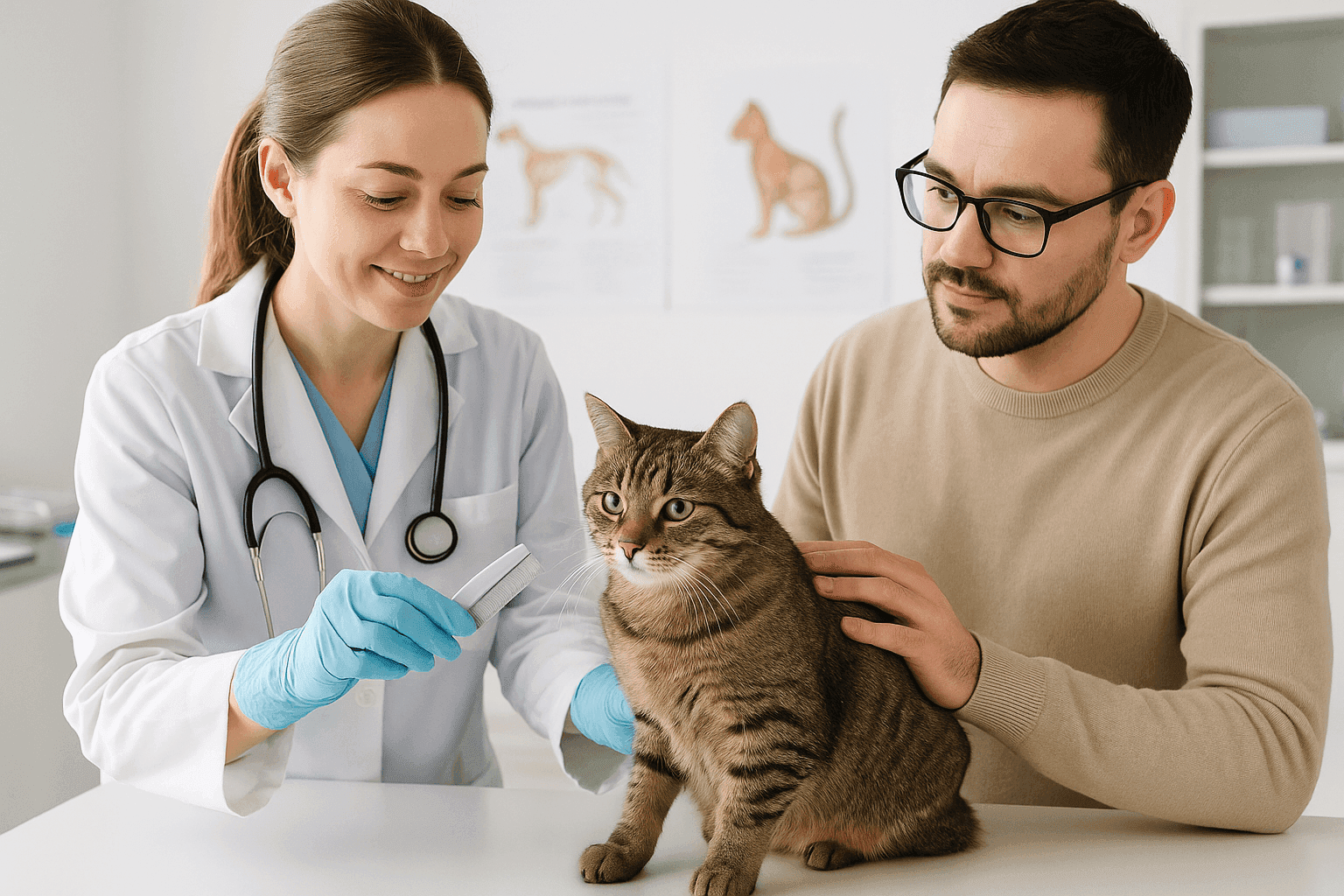
- They build a relationship with a vet they trust
- They ask questions instead of Googling symptoms at 2 AM
Where Most Pet Parents Struggle
When your dog seems a little low energy for two days, do you remember that by the time the vet visit happens a week later? Probably not. When your cat's appetite dipped slightly three weeks ago and has been slowly declining since, would you connect those dots? Almost certainly not without tracking it.
Get a 3-question triage and a vet-reviewed action plan.
Free to try. 30 seconds. No card to start. Rated 4.8 on Google Play.
This is the gap Omelo was built to fill. Not to replace your judgment, but to augment it. Daily check-ins that take seconds. A health timeline that makes patterns visible. And AI that connects the dots you might miss on your own.
Building Your Playbook
- Establish baselines. In your first week with Omelo (or even on your own), note your pet's normal appetite, energy, water intake, stool quality, and sleep patterns. This is your reference point.
- Check in daily. It does not need to be complicated. A quick mental scan: did they eat normally? How is their energy? Anything different? Two seconds with Omelo captures this.
- Watch for patterns, not single events. One off day is normal. Three off days in a row is a signal. A recurring pattern every few weeks is important data for your vet.
- Act on sustained changes. If something persists for more than 48 to 72 hours, or if it is combined with other changes, it is worth getting checked.
- Keep records. Whether you use Omelo or a notebook, having a log of health events transforms vet visits from vague conversations into data-driven consultations.
The Shift from Reactive to Proactive
This shift does not require a medical degree. It requires attention, consistency, and the right support. Omelo exists to make that shift as easy as possible, so you spend less time worrying and more time enjoying life with your pet.
Get a 3-question triage and a vet-reviewed action plan.
Free to try. 30 seconds. No card to start. Rated 4.8 on Google Play.
More in Pet Parenting Playbook


Breed-Specific Health Guides
View all breed health guidesWas this article helpful?
Dr. Anubha
Veterinarian · Medical Reviewer
Reviews all clinical and triage content on Omelo. Hands-on small-animal practice experience across vomiting, dermatology, vaccinations, and emergency triage. All Omelo recommendations pass through Dr. Anubha before publication.
Read Dr. Anubha's full bio →