Dog joint health basics: what to start now
Quick Answer
Watching a dog slow down hurts the heart. The short hop after a nap. The stiff first steps on cool tile. The pause before climbing stairs. Joint care is not just about tablets.
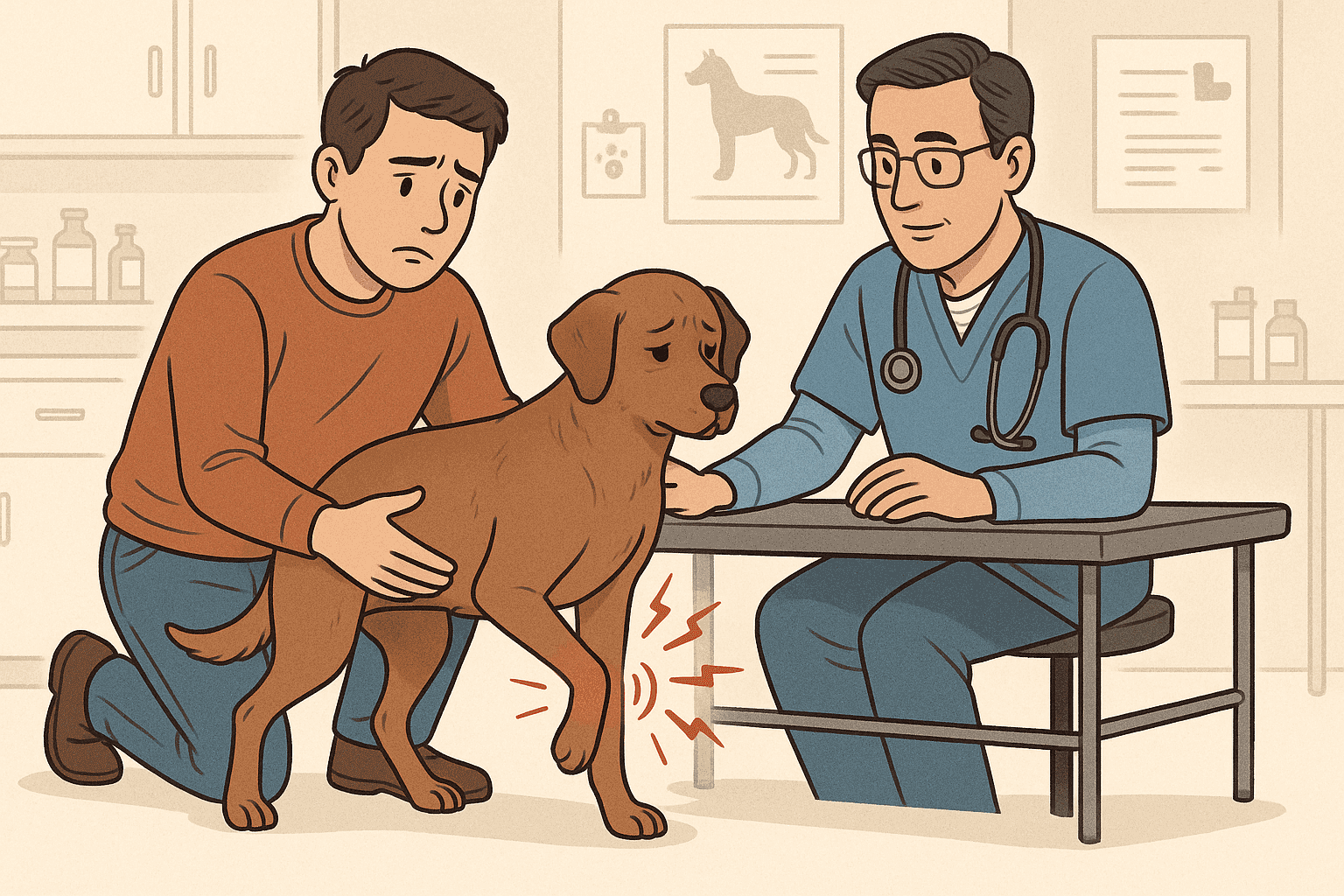
Joint Health Is a Long Game
The good news is that joint care is one of the most impactful areas where early intervention makes a dramatic difference. Starting now, regardless of your dog's age, can slow degeneration, reduce pain, and extend your dog's active years.
Understanding How Dog Joints Work
Certain breeds are genetically predisposed: German Shepherds, Labradors, Golden Retrievers, Rottweilers, and other large breeds have higher rates of hip and elbow dysplasia. But joint issues can affect any breed, especially as they age.
The Early Warning Signs
- Stiffness after resting, especially when getting up from sleep
- Reluctance to jump onto furniture or into the car
- Slowing down on walks, lagging behind where they used to lead
- A slight bunny-hop gait when running
- Difficulty with stairs, either up or down
- Licking or chewing at a specific joint
- Decreased interest in play or fetch
Get a 3-question triage and a vet-reviewed action plan.
Free to try. 30 seconds. No card to start. Rated 4.8 on Google Play.
These signs are easy to dismiss as "just getting older." But they are actionable data points. Omelo's activity tracking can detect gradual mobility declines over weeks that are invisible in daily observation.
What You Can Do Right Now
Exercise should be consistent and low-impact. Swimming is ideal. Regular walks on soft surfaces are better than intense weekend play sessions. Avoid repetitive jumping or sharp turns on hard surfaces.
Joint supplements containing glucosamine, chondroitin, and omega-3 fatty acids can support cartilage health. Consult your vet for appropriate dosing based on your dog's size and condition.
Orthopedic bedding provides support during rest, which is when joints stiffen the most. A firm, supportive bed is more important than a soft, cushioned one.
When to See the Vet
Get a 3-question triage and a vet-reviewed action plan.
Free to try. 30 seconds. No card to start. Rated 4.8 on Google Play.
More in Early Detection 101


Breed-Specific Health Guides
View all breed health guidesWas this article helpful?
Dr. Ashim Sarkar, BVSc & AH
Veterinarian · Medical Reviewer
Reviews all clinical and triage content on Omelo. Hands-on small-animal practice experience across vomiting, dermatology, vaccinations, and emergency triage. All Omelo recommendations pass through Dr. Sarkar before publication.
Read Dr. Sarkar's full bio →