From the vet's desk: what every pet parent needs to know
Quick Answer
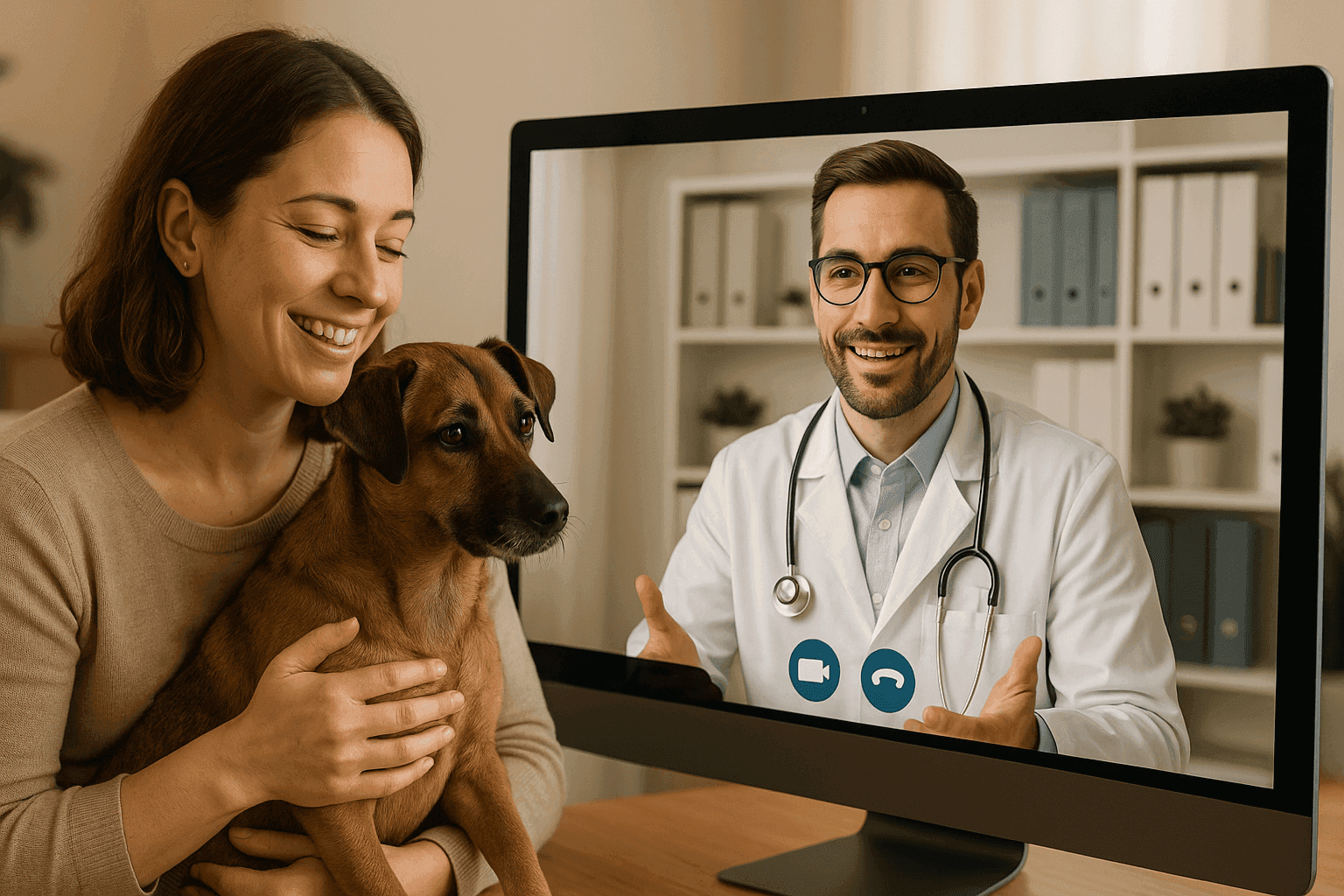
What if you could hear what vets really think? This blog compiles clinical wisdom, everyday truths, and myths that slow down care, plus how Omelo brings professional insights to your fingertips.

The Gap Between What Vets Know and What Pet Parents Hear
This is not a criticism of pet parents. It is a reality of how pets communicate, or rather, how they do not. Pets are experts at masking discomfort. By the time symptoms are obvious to an untrained eye, the underlying issue has often progressed significantly.
Five Things Vets Wish Every Pet Parent Did
- Weigh your pet regularly. Weight changes of even 5 percent can signal health issues. Most pet parents do not own a pet scale and only find out about weight changes at annual checkups, which is too late.
- Check their teeth and gums monthly. Dental disease affects over 80 percent of dogs by age three. If you can see tartar buildup or red gums, the problem is already advanced.
- Know what their normal stool looks like. Changes in consistency, color, or frequency are among the earliest indicators of digestive, metabolic, or even systemic problems.
- Track their water intake loosely. A sudden increase in drinking often signals kidney issues, diabetes, or hormonal problems. Most pet parents never notice this change until it becomes extreme.
- Do not skip annual bloodwork. A basic panel can catch liver, kidney, thyroid, and blood sugar issues before symptoms appear. This is especially important for pets over age seven.
Get a 3-question triage and a vet-reviewed action plan.
Free to try. 30 seconds. No card to start. Rated 4.8 on Google Play.
Common Myths That Slow Down Care
Myth: Dogs eat grass only when they are sick. Reality: Many healthy dogs eat grass regularly. However, sudden, frantic grass-eating combined with other symptoms can indicate nausea.
Myth: Cats purr only when they are happy. Reality: Cats also purr when they are in pain, stressed, or dying. Purring is a self-soothing mechanism, not just a happiness indicator.
Myth: Indoor pets do not need regular checkups. Reality: Indoor pets are still susceptible to dental disease, obesity, kidney issues, and many other conditions that develop silently.
Where AI Fits In
When Omelo flags a pattern, like three days of reduced appetite followed by a change in energy level, it is surfacing information that a vet would find extremely useful. It turns vague observations into structured health data.
The Bottom Line
If you want to be a better advocate for your pet's health, start tracking. Notice what is normal. Report what changes. And when in doubt, ask. Your vet, or your AI companion, is there to help you make sense of it all.
Get a 3-question triage and a vet-reviewed action plan.
Free to try. 30 seconds. No card to start. Rated 4.8 on Google Play.
More in Vet Voices

Breed-Specific Health Guides
View all breed health guidesWas this article helpful?
Dr. Anubha
Veterinarian · Medical Reviewer
Reviews all clinical and triage content on Omelo. Hands-on small-animal practice experience across vomiting, dermatology, vaccinations, and emergency triage. All Omelo recommendations pass through Dr. Anubha before publication.
Read Dr. Anubha's full bio →