Golden Retriever Care Guide: Nutrition, Training, Grooming, Health, and Daily Routine
Quick Answer
Golden Retrievers are joy in motion, friendly, gentle, eager-to-please, and wonderfully family-oriented. They're also a large, high-maintenance breed that thrives on structure.
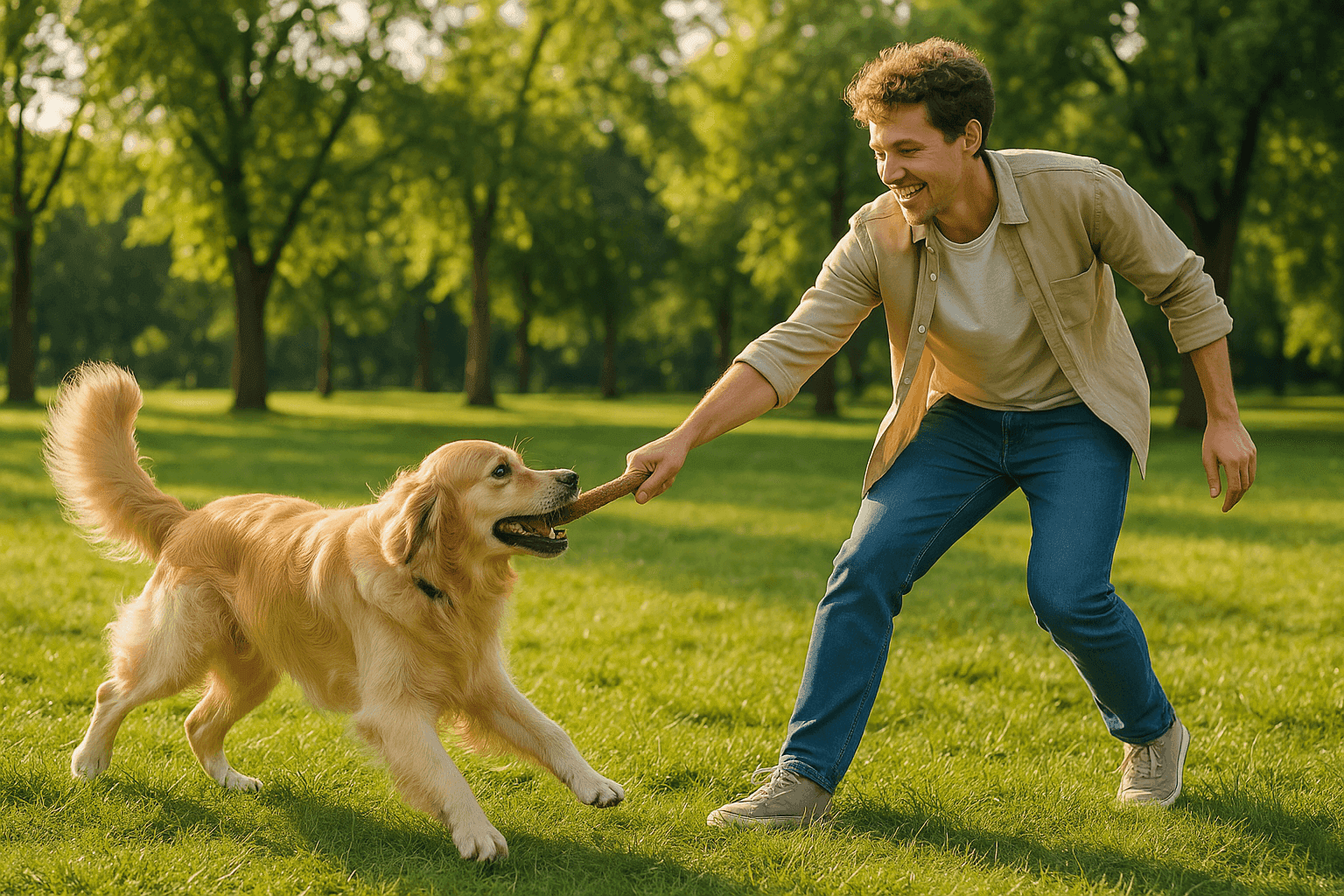
The Golden Retriever: Joy That Needs Structure
Goldens are prone to specific health issues including hip dysplasia, certain cancers, heart conditions, and skin problems. Understanding these predispositions is the first step to proactive care.
Nutrition for Golden Retrievers
- Feed a high-quality food formulated for large breeds. Look for real meat as the first ingredient and added joint support.
- Portion control is essential. Follow feeding guidelines on the package and adjust based on your dog's activity level and body condition.
- Split meals into two feedings per day rather than one large meal to reduce bloat risk.
- Omega-3 fatty acids from fish oil support coat health and can help with skin allergies, which are common in Goldens.
- Avoid sudden diet changes. Transition gradually over 7 to 10 days to prevent digestive upset.
Training: A Golden's Favorite Activity
- Start training early. Puppy socialization between 8 and 16 weeks sets the foundation for a well-adjusted adult dog.
- Use positive reinforcement consistently. Treats, praise, and play are more effective than correction.
- Channel their intelligence with structured activities: obedience classes, retrieval games, scent work, or agility.
- Address jumping and mouthing early. These are common Golden behaviors that become problematic in a 30+ kilogram adult dog.
- Mental stimulation is as important as physical exercise. A bored Golden becomes a destructive Golden.
Get a 3-question triage and a vet-reviewed action plan.
Free to try. 30 seconds. No card to start. Rated 4.8 on Google Play.
Grooming the Golden Coat
- Brush at least three times per week to prevent matting and reduce shedding.
- During heavy shedding seasons (typically twice a year), daily brushing may be necessary.
- Bathe every four to six weeks or when dirty. Use a gentle dog shampoo that does not strip natural oils.
- Pay special attention to ears. Goldens have floppy ears prone to infection. Clean weekly and check for redness or odor.
- Trim the feathering on legs, chest, and tail as needed to keep it manageable.
- Do not shave a Golden's double coat. It provides insulation in both hot and cold weather.
Health Monitoring for Goldens
- Run your hands over your dog's body weekly. Feel for lumps, bumps, or areas that seem sensitive.
- Monitor for changes in appetite, energy, or bathroom habits.
- Keep up with annual bloodwork, especially after age 5.
- Watch for limping, stiffness, or reluctance to exercise, which may indicate joint issues.
Daily health tracking through Omelo builds the kind of longitudinal data that catches gradual changes a weekly check might miss. A slow decline in activity over three weeks is nearly invisible day to day but clear on a health timeline.
The Daily Routine
Get a 3-question triage and a vet-reviewed action plan.
Free to try. 30 seconds. No card to start. Rated 4.8 on Google Play.
More in Pet Parenting Playbook


Breed-Specific Health Guides
View all breed health guidesWas this article helpful?
Dr. Anubha
Veterinarian · Medical Reviewer
Reviews all clinical and triage content on Omelo. Hands-on small-animal practice experience across vomiting, dermatology, vaccinations, and emergency triage. All Omelo recommendations pass through Dr. Anubha before publication.
Read Dr. Anubha's full bio →