Dog Diarrhea: A Clinical Triage Guide for Pet Parents
Quick Answer
The most searched pet symptom globally. Most cases resolve on their own. Some are emergencies. A clinical decision tree to assess severity, identify red flags, and know when home care is enough.
Diarrhea Is a Symptom, Not a Diagnosis
The clinical reasoning is straightforward: assess severity, check for red flags, and decide whether to manage at home or seek veterinary care.
Acute vs Chronic: The First Distinction
Chronic diarrhea has persisted for more than 2 weeks or recurs in cycles. This requires veterinary evaluation because it often indicates an underlying condition: inflammatory bowel disease, parasites, food intolerance, pancreatic insufficiency, or other systemic issues.
The Severity Assessment
Consistency: Soft but formed stool is the mildest presentation. Liquid or watery stool indicates more significant irritation. Stool with mucus suggests inflammation in the large intestine.
Color: Brown (normal color) with soft consistency is the least concerning. Yellow or green may indicate rapid transit through the GI tract. Black or tarry (melena) suggests bleeding in the upper GI tract and requires immediate vet attention. Red blood (hematochezia) in otherwise normal-consistency stool may indicate colitis, which is concerning but usually not an emergency.
Frequency: Two to three loose stools per day in an otherwise normal dog is mild. Six or more episodes per day, especially with straining, indicates significant GI distress.
Red Flags: When to Go to the Vet
Home Management Protocol
Get a 3-question triage and a vet-reviewed action plan.
Free to try. 30 seconds. No card to start. Rated 4.8 on Google Play.
First 12 to 24 hours: Withhold food (not water) for 12 hours to let the GI tract rest. Ensure constant access to fresh water. Small amounts of plain chicken broth can encourage hydration.
After fasting period: Introduce a bland diet in small portions. Boiled chicken breast (no skin, no seasoning) mixed with plain white rice, in a ratio of roughly one part chicken to two parts rice. Feed four to five small meals throughout the day instead of two large ones.
Days 2 to 4: If stool is firming up, gradually transition back to normal food over 3 to 4 days by mixing increasing amounts of regular food with decreasing amounts of bland diet.
Probiotics: A dog-specific probiotic can support GI recovery during and after an episode. Ask your vet for a recommendation appropriate for your dog's size.
When Home Management Is Not Enough
The Value of Longitudinal Data
Omelo's daily clinical observation captures stool quality as part of the check-in. Over weeks and months, this builds a longitudinal record that makes recurring patterns visible. When you tell your vet "my dog has had four episodes of soft stool in the last 8 weeks, each lasting 2 days, each preceded by a day of reduced appetite," you are giving them clinical-grade data that changes the diagnostic conversation entirely.
What to Tell Your Vet
- When you first noticed the symptom (exact date if possible)
- Whether it is getting better, worse, or staying the same
- Any other changes you have noticed (appetite, energy, water intake, stool, behavior)
- Current diet and any recent changes
- Current medications and supplements
- Recent events (new food, new environment, travel, vaccination, exposure to other animals)
- Your pet's breed, age, and weight
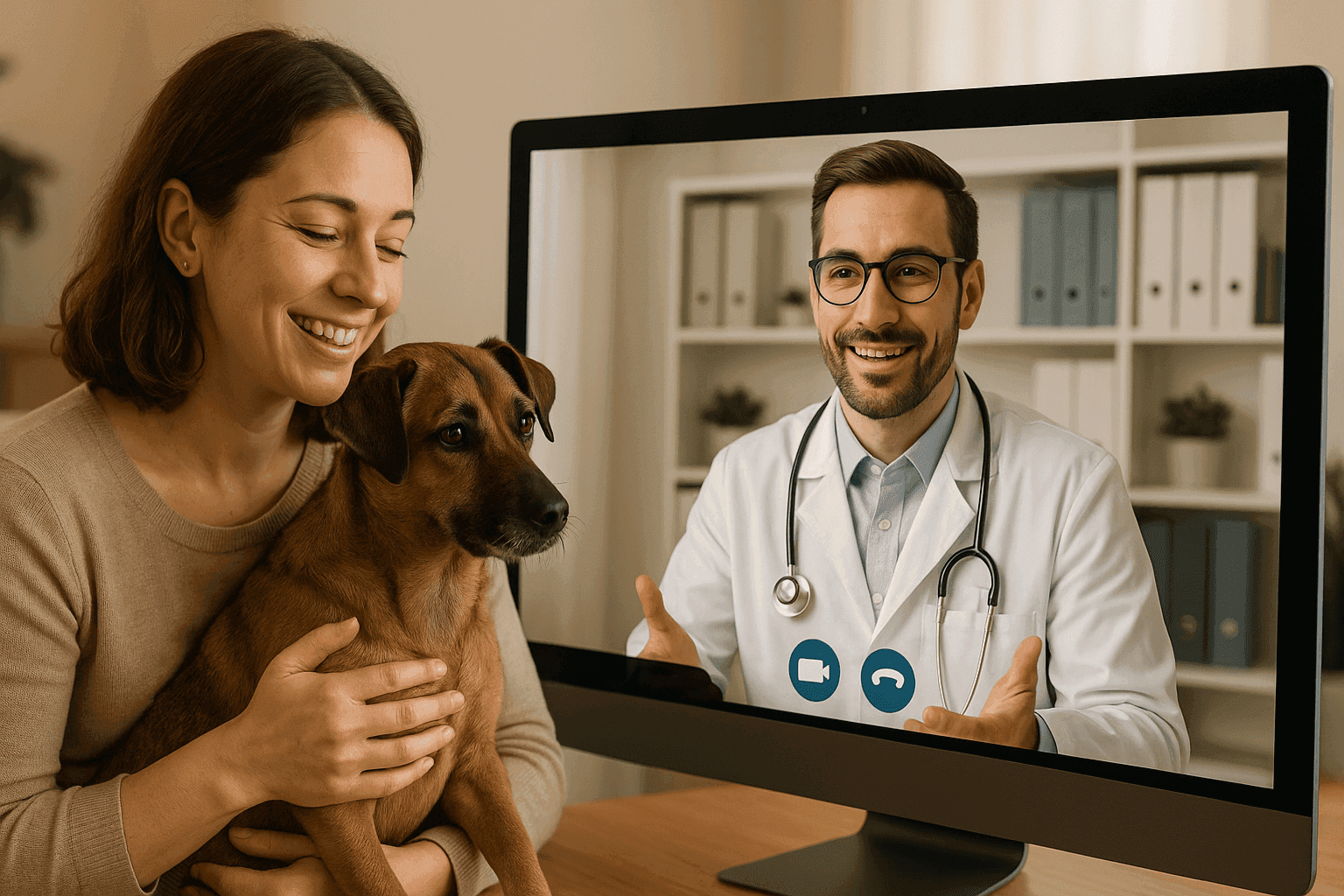
Omelo captures all of this through daily check-ins. When you connect with a vet through Omelo, your pet's complete longitudinal health record is shared automatically. No remembering details. No starting from scratch. Clinical data, ready for clinical decisions.
Get a 3-question triage and a vet-reviewed action plan.
Free to try. 30 seconds. No card to start. Rated 4.8 on Google Play.
More in Vet Reviewed


Breed-Specific Health Guides
View all breed health guidesWas this article helpful?
Dr. Anubha
Veterinarian · Medical Reviewer
Reviews all clinical and triage content on Omelo. Hands-on small-animal practice experience across vomiting, dermatology, vaccinations, and emergency triage. All Omelo recommendations pass through Dr. Anubha before publication.
Read Dr. Anubha's full bio →