Why Your Dog Won't Stop Scratching: Beyond Fleas
Quick Answer
Persistent scratching is rarely just fleas. Environmental allergies, food sensitivities, skin infections, and behavioral patterns all present as itching. A clinical guide to reading the signs.
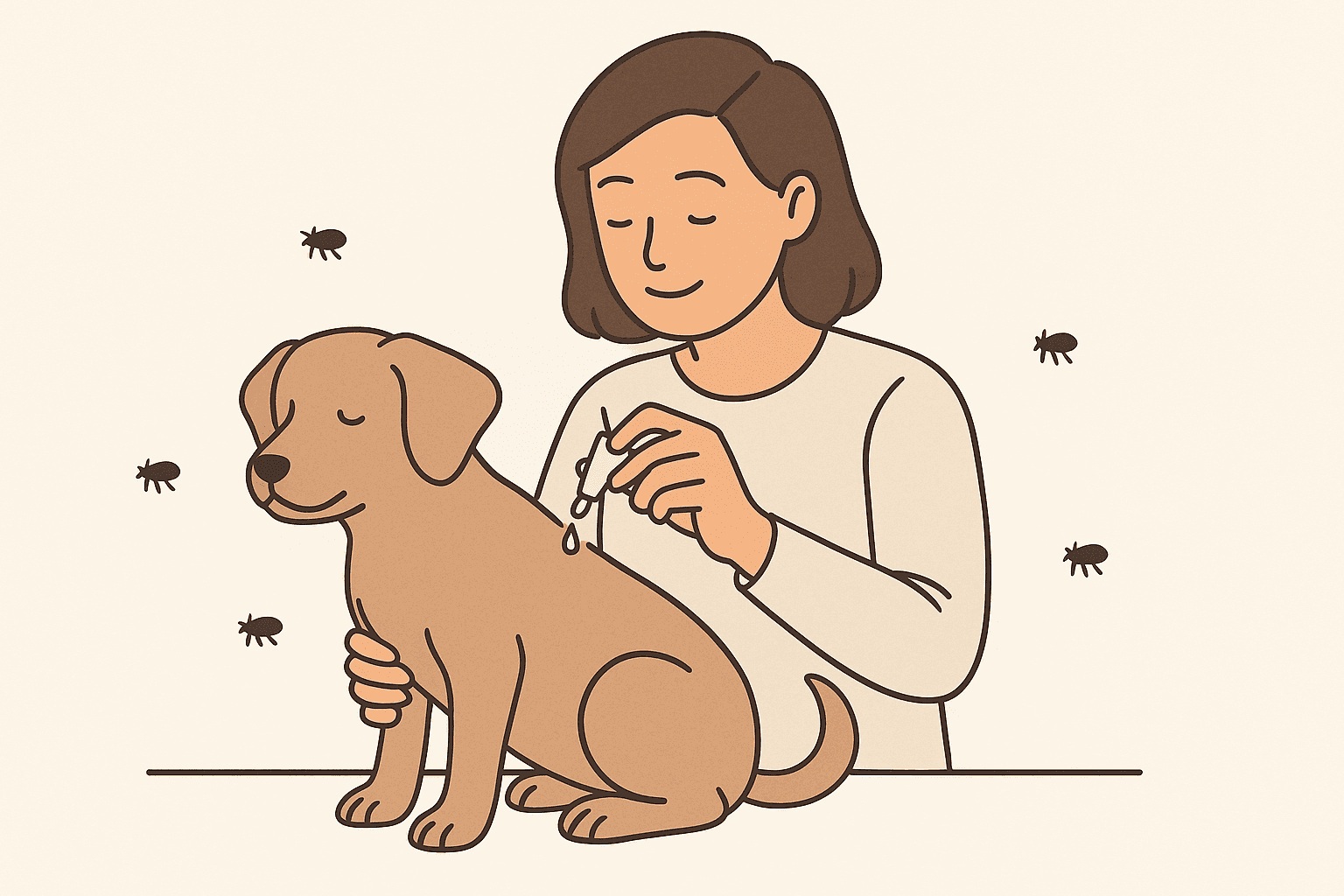
When Scratching Becomes a Clinical Signal
The most common mistake pet parents make is assuming fleas and treating accordingly. If flea treatment does not resolve the itching within 48 hours, the cause is almost certainly something else. And that something else falls into a few well-defined categories.
The Four Major Causes of Persistent Itching
Environmental allergies (atopic dermatitis): The most common cause of chronic itching in dogs. Triggered by pollen, dust mites, mold spores, or grass. Symptoms include itching focused on the face, paws, belly, armpits, and ears. Often seasonal but can become year-round. Affected dogs frequently lick their paws, rub their face on furniture, and scratch at their ears.
Food sensitivities: Less common than environmental allergies but frequently misdiagnosed. The most common food allergens in dogs are beef, chicken, dairy, wheat, and soy. Food allergies typically cause year-round itching (not seasonal), often with GI symptoms (soft stool, gas, frequent bowel movements) alongside skin signs. Diagnosing requires a strict elimination diet trial lasting 8 to 12 weeks, not a simple blood test.
Skin infections (secondary): Bacterial and yeast infections frequently develop on top of allergy-irritated skin. Signs include redness, greasy or flaky skin, a musty or sour smell, hair loss in patches, and darkening of the skin in affected areas. These infections need treatment (medicated shampoo, antibiotics, or antifungals) in addition to addressing the underlying allergy.
Behavioral itching: Some dogs develop compulsive licking or scratching behaviors driven by anxiety, boredom, or stress rather than a physical cause. This is a diagnosis of exclusion, meaning medical causes should be ruled out first. Behavioral itching often focuses on a single area (typically a front paw or flank) and may create a lick granuloma.
The Pattern Assessment
Get a 3-question triage and a vet-reviewed action plan.
Free to try. 30 seconds. No card to start. Rated 4.8 on Google Play.
Paws (licking and chewing between toes): Environmental allergies, contact irritation, or yeast infection Ears (shaking, scratching, rubbing): Ear infection, environmental allergies, ear mites (less common in adults) Belly and armpits: Environmental allergies, contact dermatitis Base of tail and lower back: Flea allergy dermatitis (even a single flea bite can trigger this in sensitized dogs) Face (rubbing on carpet or furniture): Environmental allergies, food allergies Single spot obsessively: Behavioral, hot spot developing, or localized irritation
When to See the Vet
What You Can Do at Home
Building the Allergy Profile
Omelo's daily clinical observation tracks scratching patterns, skin condition changes, and environmental factors over weeks and months. This longitudinal data is exactly what a veterinary dermatologist needs to build an accurate allergy profile. A single vet visit captures today's snapshot. Omelo captures the full story.
What to Tell Your Vet
- When you first noticed the symptom (exact date if possible)
- Whether it is getting better, worse, or staying the same
- Any other changes you have noticed (appetite, energy, water intake, stool, behavior)
- Current diet and any recent changes
- Current medications and supplements
- Recent events (new food, new environment, travel, vaccination, exposure to other animals)
- Your pet's breed, age, and weight
Omelo captures all of this through daily check-ins. When you connect with a vet through Omelo, your pet's complete longitudinal health record is shared automatically. No remembering details. No starting from scratch. Clinical data, ready for clinical decisions.
Get a 3-question triage and a vet-reviewed action plan.
Free to try. 30 seconds. No card to start. Rated 4.8 on Google Play.
More in Vet Reviewed


Breed-Specific Health Guides
View all breed health guidesWas this article helpful?
Dr. Anubha
Veterinarian · Medical Reviewer
Reviews all clinical and triage content on Omelo. Hands-on small-animal practice experience across vomiting, dermatology, vaccinations, and emergency triage. All Omelo recommendations pass through Dr. Anubha before publication.
Read Dr. Anubha's full bio →