How to Choose a Dog Bed: Size, Type, and What Lasts
Quick Answer
A good dog bed isn't a luxury, it's a daily comfort zone. In Indian homes, where summers are hot, monsoons are humid, and winters vary by region, the right dog bed can make a big difference.
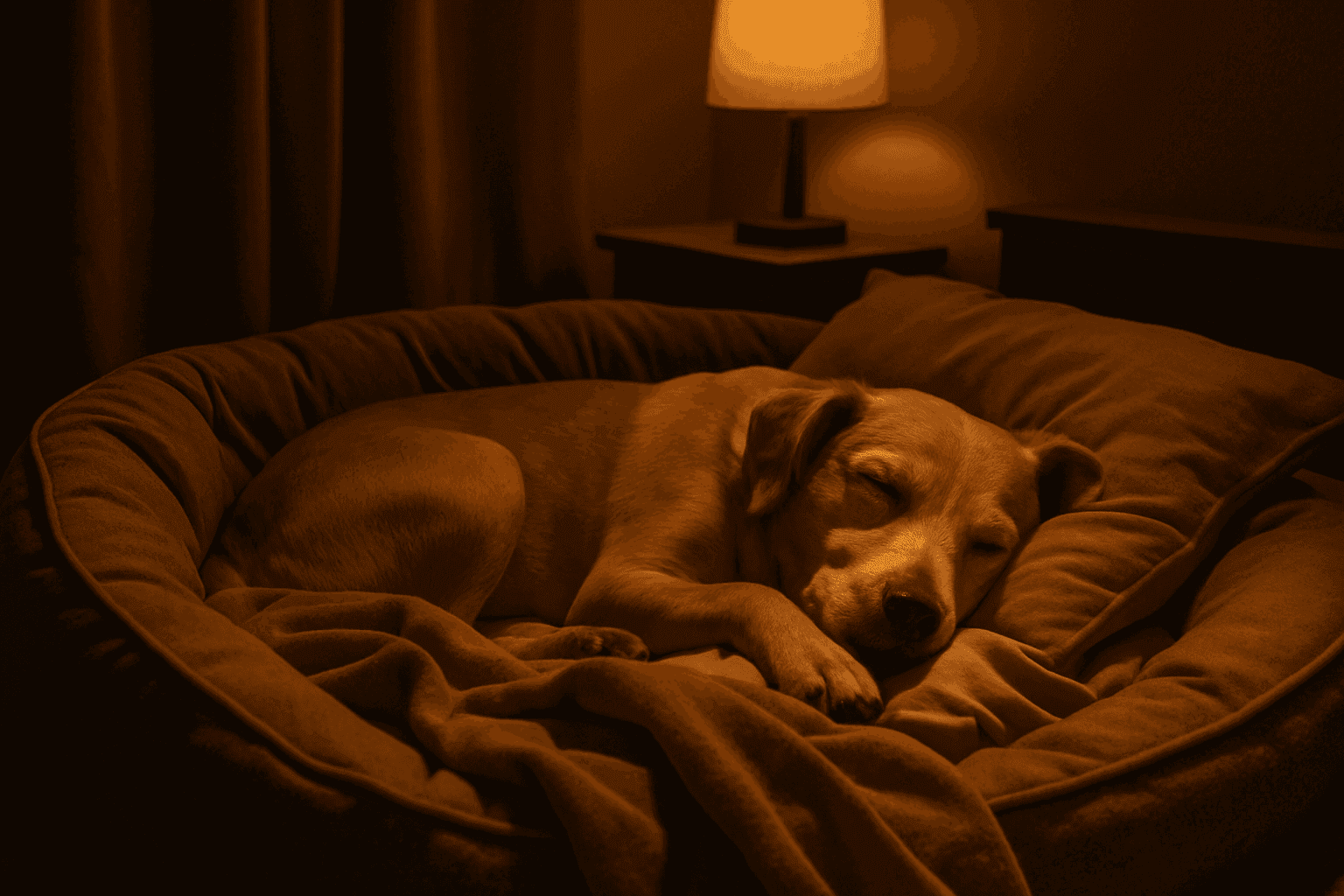
Why the Right Dog Bed Matters
In warm and humid climates, bed material and elevation become especially important. A bed that traps heat or moisture can cause skin irritation, hot spots, and fungal infections. Getting this right from the start prevents problems that are expensive and uncomfortable to treat later.
Choosing the Right Size
Measure your dog from nose to tail base while they are lying down. Add 15 to 20 centimeters for the ideal bed length. For breeds that curl up when sleeping (like Shih Tzus or Dachshunds), a round or bolster bed works well. For dogs that sprawl (like Labradors or Great Danes), a flat rectangular mattress is better.
Materials That Work
Elevated or cot-style beds are ideal for warm climates. They allow airflow underneath, keeping the dog cool. They also prevent ground moisture from reaching the sleeping surface during humid months.
Waterproof or water-resistant covers are essential. Dogs drool, shed, and occasionally have accidents. A removable, machine-washable cover saves you from replacing the entire bed frequently.
Avoid beds with loose stuffing that dogs can chew out and ingest. Solid foam cores or tightly woven fill are safer options.
Get a 3-question triage and a vet-reviewed action plan.
Free to try. 30 seconds. No card to start. Rated 4.8 on Google Play.
Styles for Different Needs
Flat mattress beds work best for large breeds that need maximum surface area. They are also easier for senior dogs to step onto without climbing over raised edges.
Cooling gel beds or beds with breathable mesh are designed for hot weather. They actively draw heat away from the dog's body.
Orthopedic beds combine memory foam with supportive structure. They are recommended for dogs over age 7, large breeds, and any dog recovering from surgery or managing joint conditions.
Placement Matters
If your dog sleeps in your bedroom, place the bed at floor level near your own bed. This provides proximity comfort without encouraging them onto the furniture.
When to Replace
Track your dog's sleep quality and comfort through daily observations. Changes in sleep position, reluctance to use the bed, or stiffness after resting can indicate the bed is no longer providing adequate support. Omelo's daily check-in helps capture these patterns over time.
Get a 3-question triage and a vet-reviewed action plan.
Free to try. 30 seconds. No card to start. Rated 4.8 on Google Play.
More in Pet Parenting Playbook



Breed-Specific Health Guides
View all breed health guidesWas this article helpful?
Dr. Ashim Sarkar, BVSc & AH
Veterinarian · Medical Reviewer
Reviews all clinical and triage content on Omelo. Hands-on small-animal practice experience across vomiting, dermatology, vaccinations, and emergency triage. All Omelo recommendations pass through Dr. Sarkar before publication.
Read Dr. Sarkar's full bio →