Deworming Dogs and Cats: Schedule, Signs, and What to Use
Quick Answer
When and how to deworm dogs and cats, the signs of worms, and a vet-reviewed deworming schedule for puppies, kittens, and adults.
Key Takeaways
- Most pets need routine deworming; worms are common and often invisible.
- Puppies/kittens: every 2 weeks to 12 weeks, then monthly to 6 months, then every 3 months for adults.
- See a vet for worms in stool, pot belly, weight loss, scooting, or vomiting.
- Some worms infect humans, so routine deworming protects the household.
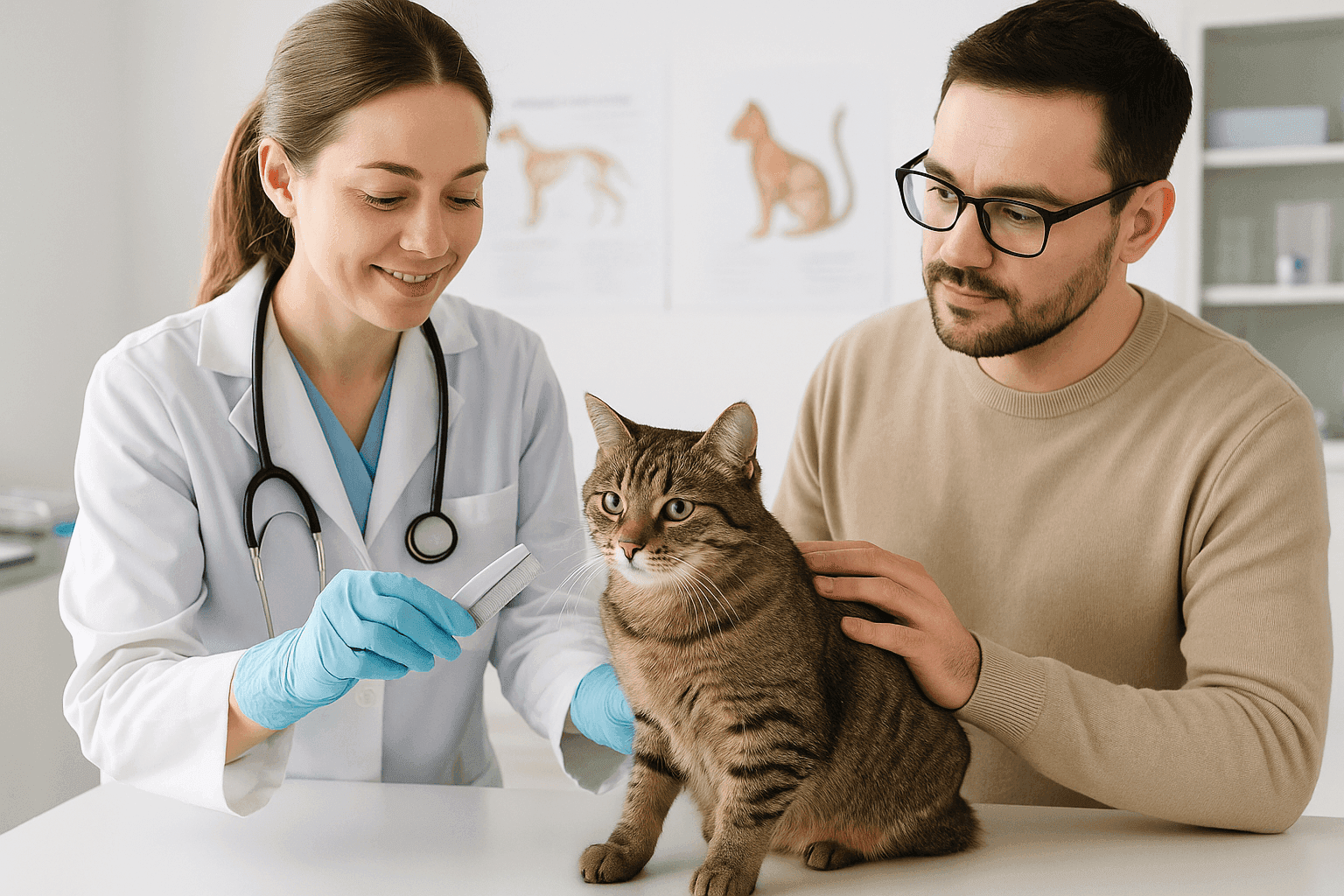
Most dogs and cats need regular deworming because intestinal worms are common and often invisible. Puppies and kittens are usually dewormed every 2 weeks until about 12 weeks old, then monthly until 6 months, then every 3 months for adults. See a vet if you notice worms in the stool, a pot belly, weight loss, scooting, or vomiting. Some worms can spread to people, so routine deworming protects the whole household.
Why deworming matters
Signs your pet may have worms
- Worms or rice-like segments in stool or around the rear
- Pot-bellied appearance, especially in puppies and kittens
- Weight loss despite a normal appetite
- Scooting, dragging the rear on the ground
- Vomiting or diarrhea, sometimes with blood
- Dull coat or low energy
Deworming schedule
Get a 3-question triage and a vet-reviewed action plan.
Free. 30 seconds. No credit card. iOS and Android.
- Puppies and kittens: every 2 weeks from about 2 weeks of age until 12 weeks
- 3 to 6 months: monthly
- Adults: every 3 months, or as your vet advises based on lifestyle and risk
Outdoor pets and stray-exposed animals may need more frequent deworming.
A note on people
Deworming in India
How Omelo helps
Get a 3-question triage and a vet-reviewed action plan.
Free. 30 seconds. No credit card. iOS and Android.
More in Vet Reviewed


Breed-Specific Health Guides
View all breed health guidesWas this article helpful?
Dr. Ashim Sarkar, BVSc & AH & AH
Veterinarian · Medical Reviewer · DVM Reg. JVC5589
Reviews all clinical and triage content on Omelo. Hands-on small-animal practice experience across vomiting, dermatology, vaccinations, and emergency triage. All Omelo recommendations pass through Dr. Sarkar before publication.
Read Dr. Sarkar's full bio →